HTTP 200 OK
Allow: GET, POST, HEAD, OPTIONS
Content-Type: application/json
Vary: Accept
{
"links": {
"next": "https://microlib.io/api/microstructure/filter/?format=api&page=6",
"previous": "https://microlib.io/api/microstructure/filter/?format=api&page=4",
"first": "https://microlib.io/api/microstructure/filter/?page=1",
"last": "https://microlib.io/api/microstructure/filter/?page=7"
},
"total": 79,
"page": 5,
"page_size": 12,
"number_pages": 7,
"results": [
{
"id": 37,
"name": "Microstructure 227",
"short_name": "microstructure227",
"data_type": 1,
"technique": 1,
"keyword": [
1,
7,
15,
19,
20,
21,
24
],
"category": [
1
],
"element": [
6,
7
],
"brief_description": "Normalised steel",
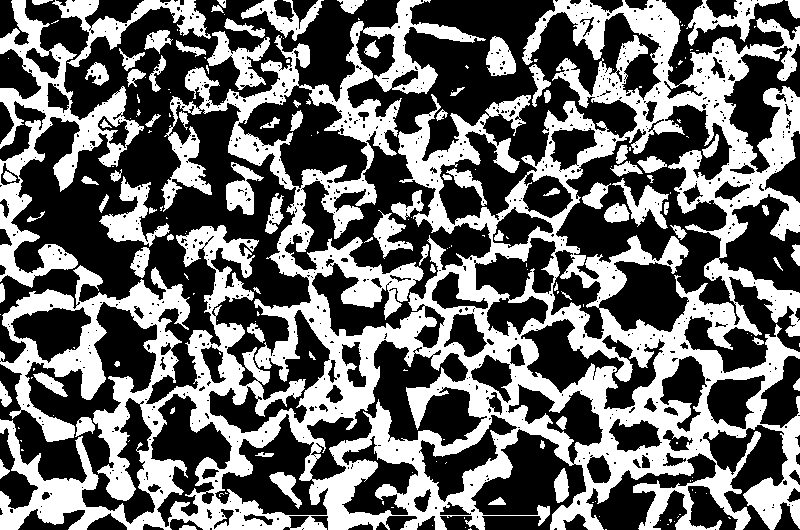
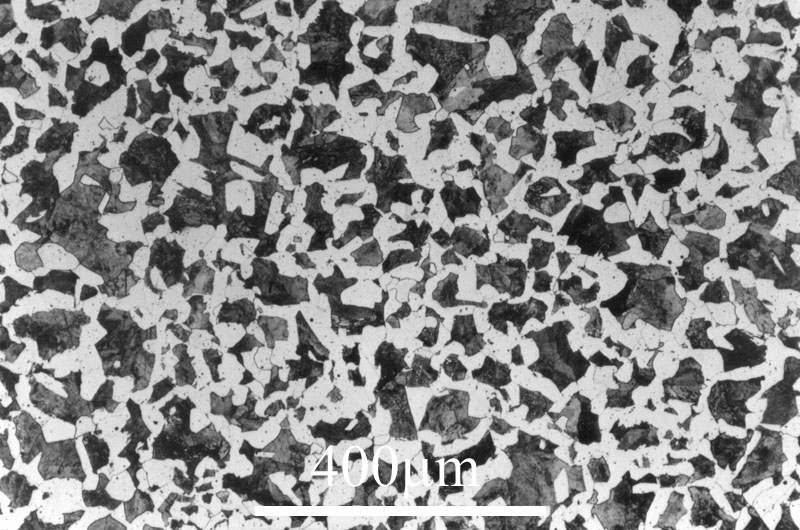
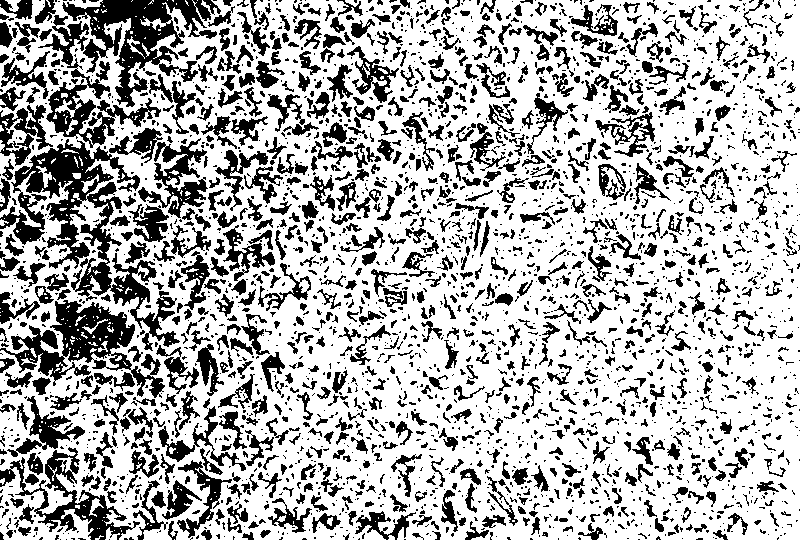
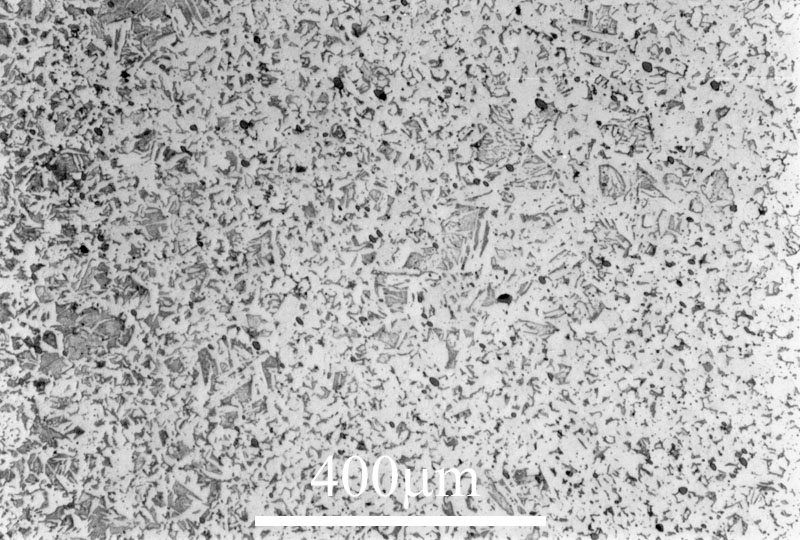
"long_description": "A hypoeutectoid alloy steel, normalised, producing a microstructure of allotriomorphic ferrite nucleated on the prior austenite grain boundaries, with the remainder pearlite.",
"contributor": "Dr R F Cochrane",
"organisation": "Department of Materials, University of Leeds",
"last_updated": "2025-09-24T11:02:39.442583Z",
"link_doitpoms": "https://www.doitpoms.ac.uk/miclib/full_record.php?id=227",
"data_3D": "https://microstructure-library.s3.eu-west-2.amazonaws.com/microstructure227/microstructure227.tif",
"data_2D": "https://microstructure-library.s3.eu-west-2.amazonaws.com/microstructure227/microstructure227_inpainted.png",
"data_2D_original": "https://microstructure-library.s3.eu-west-2.amazonaws.com/microstructure227/microstructure227_original.png",
"preview": "https://microstructure-library.s3.eu-west-2.amazonaws.com/microstructure227/microstructure227.mp4",
"inpaint_movie": "https://microstructure-library.s3.eu-west-2.amazonaws.com/microstructure227/microstructure227_inpaint.mp4",
"long_movie": "https://microstructure-library.s3.eu-west-2.amazonaws.com/microstructure227/microstructure227_long.mp4",
"generator": "https://microstructure-library.s3.eu-west-2.amazonaws.com/microstructure227/microstructure227_Gen.pt",
"params": "https://microstructure-library.s3.eu-west-2.amazonaws.com/microstructure227/microstructure227_params.data",
"vox_size": 1.3745704467353952,
"rating": 8,
"barbox": [
[
245,
434
],
[
550,
514
]
],
"barcol": [
255,
50
],
"phases": [
147,
214
],
"downloads": 5
},
{
"id": 41,
"name": "Microstructure 237",
"short_name": "microstructure237",
"data_type": 1,
"technique": 1,
"keyword": [
1,
7,
15,
19,
20,
21,
24
],
"category": [
1
],
"element": [
6,
7
],
"brief_description": "Hypoeutectoid steel, normalised at 950°C",
"long_description": "A hypoeutectoid alloy (carbon composition less than eutectoid). The first phase formed upon cooling from the austenite phase field is proeutectoid ferrite. Due to the lower solubility of carbon in ferrite, carbon is partitioned into the remaining austenite. At the eutectoid point the remaining carbon enriched austenite transforms to pearlite (a mixture of ferrite and cementite) which is the darker region of the micrograph. The proportion of pearlite is dependent upon the overall composition. The ferrite (light areas) is a good example of an allotriomorphic ferrite. This means that its shape does not reflect its internal crystalline symmetry as it nucleates on the austenite grain boundaries and hence follows the shape of the boundaries, the remaining austenite within the ferrite then transforms to pearlite, and is surrounded by the ferrite.",
"contributor": "Dr R F Cochrane",
"organisation": "Department of Materials, University of Leeds",
"last_updated": "2022-05-25T13:49:30.601095Z",
"link_doitpoms": "https://www.doitpoms.ac.uk/miclib/full_record.php?id=237",
"data_3D": "https://microstructure-library.s3.eu-west-2.amazonaws.com/microstructure237/microstructure237.tif",
"data_2D": "https://microstructure-library.s3.eu-west-2.amazonaws.com/microstructure237/microstructure237_inpainted.png",
"data_2D_original": "https://microstructure-library.s3.eu-west-2.amazonaws.com/microstructure237/microstructure237_original.png",
"preview": "https://microstructure-library.s3.eu-west-2.amazonaws.com/microstructure237/microstructure237.mp4",
"inpaint_movie": "https://microstructure-library.s3.eu-west-2.amazonaws.com/microstructure237/microstructure237_inpaint.mp4",
"long_movie": "https://microstructure-library.s3.eu-west-2.amazonaws.com/microstructure237/microstructure237_long.mp4",
"generator": "https://microstructure-library.s3.eu-west-2.amazonaws.com/microstructure237/microstructure237_Gen.pt",
"params": "https://microstructure-library.s3.eu-west-2.amazonaws.com/microstructure237/microstructure237_params.data",
"vox_size": 1.3745704467353952,
"rating": 8,
"barbox": [
[
244,
435
],
[
547,
512
]
],
"barcol": [
255,
70
],
"phases": [
114,
243
],
"downloads": 0
},
{
"id": 66,
"name": "Microstructure 477",
"short_name": "microstructure477",
"data_type": 1,
"technique": 1,
"keyword": [
1,
3,
4,
7,
29,
33
],
"category": [
1
],
"element": [
2,
8
],
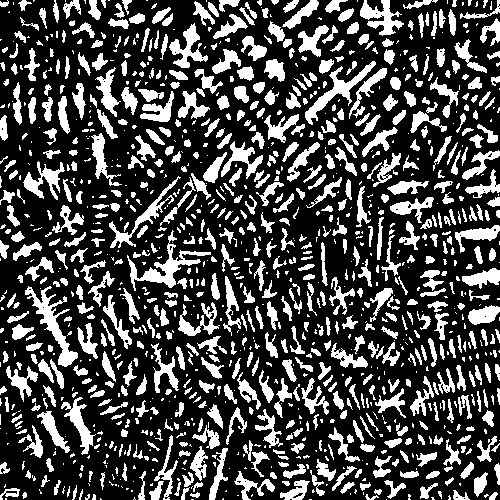
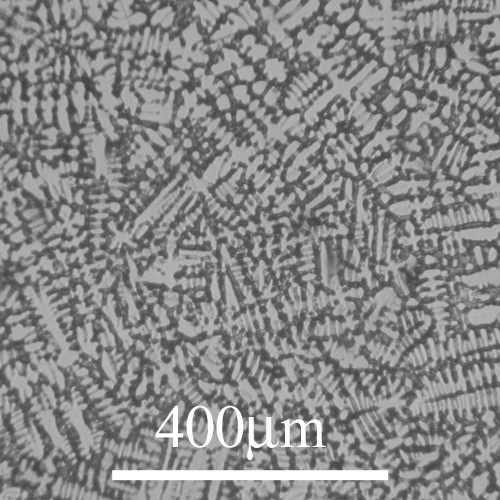
"brief_description": "Cu 80, Zn 20 (wt%) brass, exhibiting dendritic solidification",
"long_description": "As cast copper rich brass showing copper dendrites in a matrix of a (copper) and b phases.",
"contributor": "Dr R F Cochrane",
"organisation": "Department of Materials, University of Leeds",
"last_updated": "2025-09-24T11:03:02.329241Z",
"link_doitpoms": "https://www.doitpoms.ac.uk/miclib/full_record.php?id=477",
"data_3D": "https://microstructure-library.s3.eu-west-2.amazonaws.com/microstructure477/microstructure477.tif",
"data_2D": "https://microstructure-library.s3.eu-west-2.amazonaws.com/microstructure477/microstructure477_inpainted.png",
"data_2D_original": "https://microstructure-library.s3.eu-west-2.amazonaws.com/microstructure477/microstructure477_original.png",
"preview": "https://microstructure-library.s3.eu-west-2.amazonaws.com/microstructure477/microstructure477.mp4",
"inpaint_movie": "https://microstructure-library.s3.eu-west-2.amazonaws.com/microstructure477/microstructure477_inpaint.mp4",
"long_movie": "https://microstructure-library.s3.eu-west-2.amazonaws.com/microstructure477/microstructure477_long.mp4",
"generator": "https://microstructure-library.s3.eu-west-2.amazonaws.com/microstructure477/microstructure477_Gen.pt",
"params": "https://microstructure-library.s3.eu-west-2.amazonaws.com/microstructure477/microstructure477_params.data",
"vox_size": 2.7491408934707904,
"rating": 8,
"barbox": [
[
247,
443
],
[
547,
522
]
],
"barcol": [
255,
50
],
"phases": [
117,
220
],
"downloads": 4
},
{
"id": 33,
"name": "Microstructure 210",
"short_name": "microstructure210",
"data_type": 1,
"technique": 1,
"keyword": [
1,
7,
15,
17,
19,
20,
21
],
"category": [
1
],
"element": [
6,
7
],
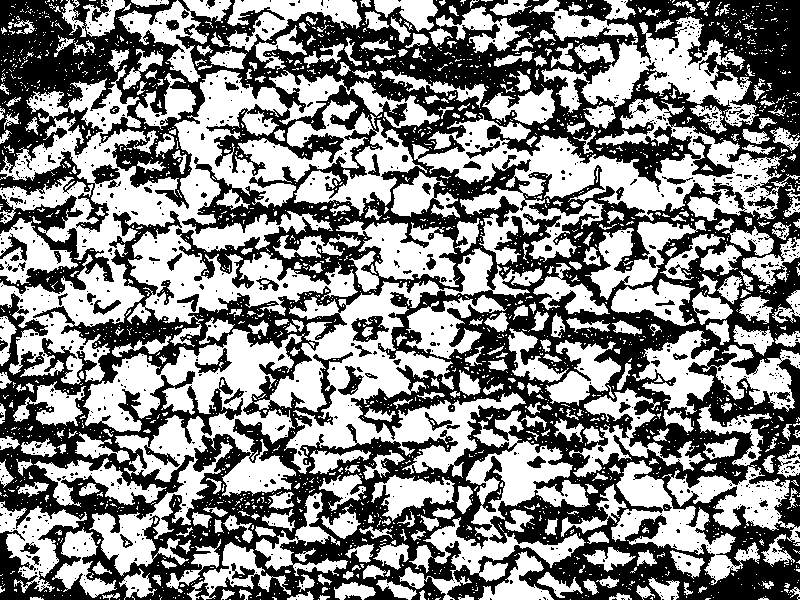
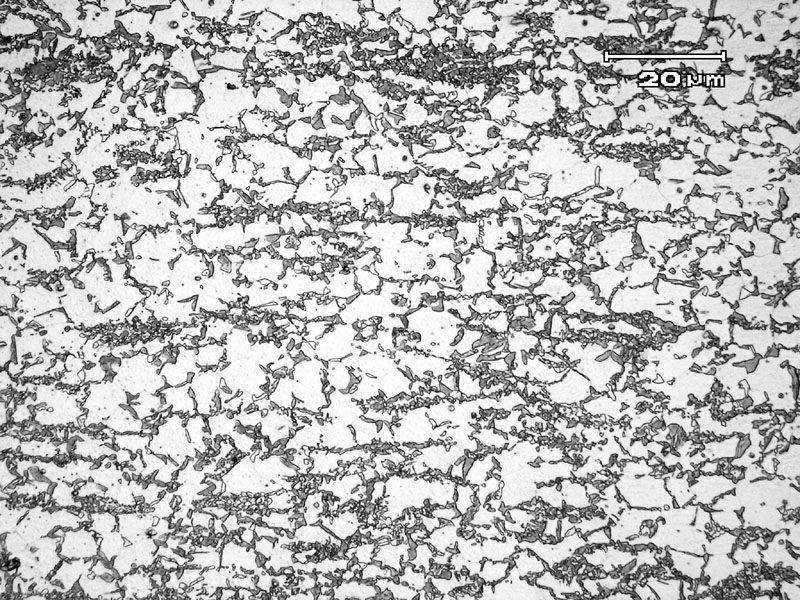
"brief_description": "As cast carbon steel",
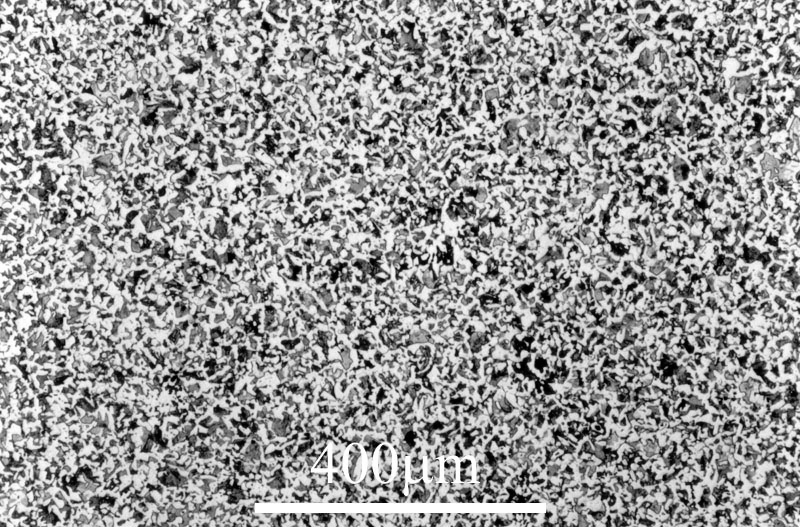
"long_description": "Low carbon steel with a microstructure consisting mostly of ferrite with the darker pearlite regions around the ferrite grains. Upon cooling the steel the ferrite forms initially, either on austenite grain boundaries or inclusions. This causes carbon to be partitioned into the austenite. Eventually the remaining austenite will be at the eutectoid condition and the transformation to pearlite will then take place.",
"contributor": "Dr R F Cochrane",
"organisation": "Department of Materials, University of Leeds",
"last_updated": "2023-11-12T17:45:06.223977Z",
"link_doitpoms": "https://www.doitpoms.ac.uk/miclib/full_record.php?id=210",
"data_3D": "https://microstructure-library.s3.eu-west-2.amazonaws.com/microstructure210/microstructure210.tif",
"data_2D": "https://microstructure-library.s3.eu-west-2.amazonaws.com/microstructure210/microstructure210_inpainted.png",
"data_2D_original": "https://microstructure-library.s3.eu-west-2.amazonaws.com/microstructure210/microstructure210_original.png",
"preview": "https://microstructure-library.s3.eu-west-2.amazonaws.com/microstructure210/microstructure210.mp4",
"inpaint_movie": "https://microstructure-library.s3.eu-west-2.amazonaws.com/microstructure210/microstructure210_inpaint.mp4",
"long_movie": "https://microstructure-library.s3.eu-west-2.amazonaws.com/microstructure210/microstructure210_long.mp4",
"generator": "https://microstructure-library.s3.eu-west-2.amazonaws.com/microstructure210/microstructure210_Gen.pt",
"params": "https://microstructure-library.s3.eu-west-2.amazonaws.com/microstructure210/microstructure210_params.data",
"vox_size": 0.6872852233676976,
"rating": 8,
"barbox": [
[
239,
437
],
[
547,
525
]
],
"barcol": [
255,
410
],
"phases": [
8,
133
],
"downloads": 6
},
{
"id": 5,
"name": "Microstructure 010",
"short_name": "microstructure010",
"data_type": 1,
"technique": 1,
"keyword": [
1,
3,
4,
7,
11,
12,
13
],
"category": [
1
],
"element": [
2,
5
],
"brief_description": "Cu 70, Ni 30 (wt%), cored dendrites",
"long_description": "This alloy is typical of many copper based alloy systems. The dendrite structure shows coring (variation in solute concentration). The light areas are rich in nickel and the darker areas are low in nickel. Chill casting extracts heat quickly enough to prevent significant solid state diffusion, resulting in cored dendrites. The centres of the dendrites that cool near the liquidus temperature, are nickel rich compared to the outer layers that solidify at progressively lower temperatures. Because the partition coefficient is positive the outer layers solidify with progressively lower nickel concentrations. The observed pattern results from the intersection of the plane of polish and the randomly orientated regions of equal solute concentration.",
"contributor": "Prof T W Clyne",
"organisation": "Department of Materials Science and Metallurgy, University of Cambridge",
"last_updated": "2025-09-24T11:02:56.680123Z",
"link_doitpoms": "https://www.doitpoms.ac.uk/miclib/full_record.php?id=10",
"data_3D": "https://microstructure-library.s3.eu-west-2.amazonaws.com/microstructure010/microstructure010.tif",
"data_2D": "https://microstructure-library.s3.eu-west-2.amazonaws.com/microstructure010/microstructure010_inpainted.png",
"data_2D_original": "https://microstructure-library.s3.eu-west-2.amazonaws.com/microstructure010/microstructure010_original.png",
"preview": "https://microstructure-library.s3.eu-west-2.amazonaws.com/microstructure010/microstructure010.mp4",
"inpaint_movie": "https://microstructure-library.s3.eu-west-2.amazonaws.com/microstructure010/microstructure010_inpaint.mp4",
"long_movie": "https://microstructure-library.s3.eu-west-2.amazonaws.com/microstructure010/microstructure010_long.mp4",
"generator": "https://microstructure-library.s3.eu-west-2.amazonaws.com/microstructure010/microstructure010_Gen.pt",
"params": "https://microstructure-library.s3.eu-west-2.amazonaws.com/microstructure010/microstructure010_params.data",
"vox_size": 1.444043321299639,
"rating": 8,
"barbox": [
[
102,
395
],
[
394,
499
]
],
"barcol": [
255,
270
],
"phases": [
104,
225
],
"downloads": 7
},
{
"id": 74,
"name": "Microstructure 740",
"short_name": "microstructure740",
"data_type": 1,
"technique": 1,
"keyword": [
1,
7,
85,
86,
87
],
"category": [
1
],
"element": [
6,
7,
12,
15
],
"brief_description": "TRIP steel annealed at 775°C for 5 mins and then hold at 400°C for 40s for austenite stabilization",
"long_description": "The microstructure shows martensite (straw-coloured), retained austenite (white) and some M-A constituents. Martensite volume fraction is higher than the steel which was hold for 150s at 400°C and cooled. Since the austenite is low in C-content for such a low holding time at 400°C, most of the austenite is transformed to martensite during cooling from 400°C to room temperature.",
"contributor": "Dr Amar K De",
"organisation": "ASPPRC, Metallurgical and Materials Engineering Department, Colorado School of Mines",
"last_updated": "2025-09-24T09:13:24.006950Z",
"link_doitpoms": "https://www.doitpoms.ac.uk/miclib/full_record.php?id=740",
"data_3D": "https://microstructure-library.s3.eu-west-2.amazonaws.com/microstructure740/microstructure740.tif",
"data_2D": "https://microstructure-library.s3.eu-west-2.amazonaws.com/microstructure740/microstructure740_inpainted.png",
"data_2D_original": "https://microstructure-library.s3.eu-west-2.amazonaws.com/microstructure740/microstructure740_original.png",
"preview": "https://microstructure-library.s3.eu-west-2.amazonaws.com/microstructure740/microstructure740.mp4",
"inpaint_movie": "https://microstructure-library.s3.eu-west-2.amazonaws.com/microstructure740/microstructure740_inpaint.mp4",
"long_movie": "https://microstructure-library.s3.eu-west-2.amazonaws.com/microstructure740/microstructure740_long.mp4",
"generator": "https://microstructure-library.s3.eu-west-2.amazonaws.com/microstructure740/microstructure740_Gen.pt",
"params": "https://microstructure-library.s3.eu-west-2.amazonaws.com/microstructure740/microstructure740_params.data",
"vox_size": 0.1652892561983471,
"rating": 8,
"barbox": [
[
592,
38
],
[
739,
94
]
],
"barcol": null,
"phases": [
197,
237
],
"downloads": 8
},
{
"id": 8,
"name": "Microstructure 017",
"short_name": "microstructure017",
"data_type": 1,
"technique": 1,
"keyword": [
1,
7,
14,
15,
18,
19,
20,
21,
23,
24,
25
],
"category": [
1
],
"element": [
6,
7
],
"brief_description": "Fe, C 0.1 (wt%), hypoeutectoid alloy",
"long_description": "This is a hypoeutectoid alloy, which has been air cooled from the austenite phase field at 950 °C. The first solid to form is proeutectoid ferrite, its morphology being determined by the cooling rate. At slow cooling rates (furnace cooling) there is sufficient time for the carbon rejected from the austenite to diffuse and equilibrium solidification occurs. With faster cooling the microstructure also depends on the original austenite grain size.Fast cooling and large grain size favours ferrite forming as Widmanstätten side plates from the grain boundaries. Small grain sizes imply a high number of nuclei and hence the ferrite grows as grain boundary allotriomorphs. In this case air cooling is sufficiently slow to produce allotriomorphic ferrite. The majority of the austenite has changed to ferrite leaving only a small amount to be transformed to pearlite, therefore the microstructure shows large ferrite grains with small islands of pearlite.",
"contributor": "Prof T W Clyne",
"organisation": "Department of Materials Science and Metallurgy, University of Cambridge",
"last_updated": "2025-09-24T09:13:01.951572Z",
"link_doitpoms": "https://www.doitpoms.ac.uk/miclib/full_record.php?id=17",
"data_3D": "https://microstructure-library.s3.eu-west-2.amazonaws.com/microstructure017/microstructure017.tif",
"data_2D": "https://microstructure-library.s3.eu-west-2.amazonaws.com/microstructure017/microstructure017_inpainted.png",
"data_2D_original": "https://microstructure-library.s3.eu-west-2.amazonaws.com/microstructure017/microstructure017_original.png",
"preview": "https://microstructure-library.s3.eu-west-2.amazonaws.com/microstructure017/microstructure017.mp4",
"inpaint_movie": "https://microstructure-library.s3.eu-west-2.amazonaws.com/microstructure017/microstructure017_inpaint.mp4",
"long_movie": "https://microstructure-library.s3.eu-west-2.amazonaws.com/microstructure017/microstructure017_long.mp4",
"generator": "https://microstructure-library.s3.eu-west-2.amazonaws.com/microstructure017/microstructure017_Gen.pt",
"params": "https://microstructure-library.s3.eu-west-2.amazonaws.com/microstructure017/microstructure017_params.data",
"vox_size": 1.444043321299639,
"rating": 8,
"barbox": [
[
104,
402
],
[
391,
483
]
],
"barcol": [
255,
310
],
"phases": [
108,
154
],
"downloads": 8
},
{
"id": 11,
"name": "Microstructure 039",
"short_name": "microstructure039",
"data_type": 1,
"technique": 1,
"keyword": [
1,
3,
7,
28,
32,
34,
35,
36
],
"category": [
1
],
"element": [
2,
9
],
"brief_description": "Cu 98, Be 2 (wt%), quenched and aged - annealing twins",
"long_description": "This sample was solution treated, quenched and aged. Recrystallisation occurs during ageing creating annealing twins.",
"contributor": "Prof T W Clyne",
"organisation": "Department of Materials Science and Metallurgy, University of Cambridge",
"last_updated": "2025-09-24T09:13:31.154734Z",
"link_doitpoms": "https://www.doitpoms.ac.uk/miclib/full_record.php?id=39",
"data_3D": "https://microstructure-library.s3.eu-west-2.amazonaws.com/microstructure039/microstructure039.tif",
"data_2D": "https://microstructure-library.s3.eu-west-2.amazonaws.com/microstructure039/microstructure039_inpainted.png",
"data_2D_original": "https://microstructure-library.s3.eu-west-2.amazonaws.com/microstructure039/microstructure039_original.png",
"preview": "https://microstructure-library.s3.eu-west-2.amazonaws.com/microstructure039/microstructure039.mp4",
"inpaint_movie": "https://microstructure-library.s3.eu-west-2.amazonaws.com/microstructure039/microstructure039_inpaint.mp4",
"long_movie": "https://microstructure-library.s3.eu-west-2.amazonaws.com/microstructure039/microstructure039_long.mp4",
"generator": "https://microstructure-library.s3.eu-west-2.amazonaws.com/microstructure039/microstructure039_Gen.pt",
"params": "https://microstructure-library.s3.eu-west-2.amazonaws.com/microstructure039/microstructure039_params.data",
"vox_size": 1.4336917562724014,
"rating": 8,
"barbox": [
[
105,
394
],
[
393,
482
]
],
"barcol": [
255,
99
],
"phases": [
181,
212
],
"downloads": 2
},
{
"id": 16,
"name": "Microstructure 053",
"short_name": "microstructure053",
"data_type": 1,
"technique": 2,
"keyword": [
1,
3,
7,
27,
29,
33,
35
],
"category": [
1
],
"element": [
2,
8
],
"brief_description": "Cu 60, Zn 40 (wt%), quenched and held at 300°C - Widmanstätten microstructure",
"long_description": "This sample was quenched and held at 300 ºC for one hour. It has a Widmanstätten microstructure with the α phase precipitating out of the single β phase during cooling to give α plates in a β matrix. The low temperature at which the transformation takes place leads to less diffusion and results in a finer structure.",
"contributor": "Prof T W Clyne",
"organisation": "Department of Materials Science and Metallurgy, University of Cambridge",
"last_updated": "2025-09-24T09:13:11.730834Z",
"link_doitpoms": "https://www.doitpoms.ac.uk/miclib/full_record.php?id=53",
"data_3D": "https://microstructure-library.s3.eu-west-2.amazonaws.com/microstructure053/microstructure053.tif",
"data_2D": "https://microstructure-library.s3.eu-west-2.amazonaws.com/microstructure053/microstructure053_inpainted.png",
"data_2D_original": "https://microstructure-library.s3.eu-west-2.amazonaws.com/microstructure053/microstructure053_original.png",
"preview": "https://microstructure-library.s3.eu-west-2.amazonaws.com/microstructure053/microstructure053.mp4",
"inpaint_movie": "https://microstructure-library.s3.eu-west-2.amazonaws.com/microstructure053/microstructure053_inpaint.mp4",
"long_movie": "https://microstructure-library.s3.eu-west-2.amazonaws.com/microstructure053/microstructure053_long.mp4",
"generator": "https://microstructure-library.s3.eu-west-2.amazonaws.com/microstructure053/microstructure053_Gen.pt",
"params": "https://microstructure-library.s3.eu-west-2.amazonaws.com/microstructure053/microstructure053_params.data",
"vox_size": 0.05976095617529881,
"rating": 8,
"barbox": [
[
113,
404
],
[
379,
482
]
],
"barcol": [
255,
109
],
"phases": [
14,
141
],
"downloads": 14
},
{
"id": 79,
"name": "Microstructure 971",
"short_name": "microstructure971",
"data_type": 1,
"technique": 10,
"keyword": [
67
],
"category": [
3
],
"element": [
14
],
"brief_description": "Sierra de Gador, Almeria, Spain. Subrecent lead slag",
"long_description": "Sierra de Gador, Almeria, Spain. Subrecent lead slag",
"contributor": "Dr Ingo Keesmann",
"organisation": "Johannes Gutenberg-Universitat Mainz",
"last_updated": "2023-11-06T14:34:25.207351Z",
"link_doitpoms": "https://www.doitpoms.ac.uk/miclib/full_record.php?id=971",
"data_3D": "https://microstructure-library.s3.eu-west-2.amazonaws.com/microstructure971/microstructure971.tif",
"data_2D": "https://microstructure-library.s3.eu-west-2.amazonaws.com/microstructure971/microstructure971_inpainted.png",
"data_2D_original": "https://microstructure-library.s3.eu-west-2.amazonaws.com/microstructure971/microstructure971_original.png",
"preview": "https://microstructure-library.s3.eu-west-2.amazonaws.com/microstructure971/microstructure971.mp4",
"inpaint_movie": "https://microstructure-library.s3.eu-west-2.amazonaws.com/microstructure971/microstructure971_inpaint.mp4",
"long_movie": "https://microstructure-library.s3.eu-west-2.amazonaws.com/microstructure971/microstructure971_long.mp4",
"generator": "https://microstructure-library.s3.eu-west-2.amazonaws.com/microstructure971/microstructure971_Gen.pt",
"params": "https://microstructure-library.s3.eu-west-2.amazonaws.com/microstructure971/microstructure971_params.data",
"vox_size": 1.0548523206751055,
"rating": 9,
"barbox": [
[
150,
652
],
[
1113,
786
]
],
"barcol": null,
"phases": [
33,
203
],
"downloads": 1
},
{
"id": 39,
"name": "Microstructure 233",
"short_name": "microstructure233",
"data_type": 1,
"technique": 1,
"keyword": [
1,
7,
15,
19,
20,
21,
24
],
"category": [
1
],
"element": [
6,
7
],
"brief_description": "Hypoeutectoid steel, normalised at 1100°C",
"long_description": "A hypoeutectoid alloy (carbon composition less than eutectoid). The first phase formed upon cooling from the austenite phase field is proeutectoid ferrite. Due to the lower solubility of carbon in ferrite, carbon is partitioned into the remaining austenite. At the eutectoid point the remaining carbon enriched austenite transforms to pearlite (a mixture of ferrite and cementite) which is the darker region of the micrograph. The proportion of pearlite is dependent upon the overall composition. The ferrite (light areas) is a good example of an allotriomorphic ferrite. This means that its shape does not reflect its internal crystalline symmetry as it nucleates on the austenite grain boundaries and hence follows the shape of the boundaries, the remaining austenite within the ferrite then transforms to pearlite, and is surrounded by the ferrite. The large size of the areas of pearlite arises due to the high normalisation temperature which causes the austenite grains to grow large.",
"contributor": "Dr R F Cochrane",
"organisation": "Department of Materials, University of Leeds",
"last_updated": "2025-09-23T07:48:24.600929Z",
"link_doitpoms": "https://www.doitpoms.ac.uk/miclib/full_record.php?id=233",
"data_3D": "https://microstructure-library.s3.eu-west-2.amazonaws.com/microstructure233/microstructure233.tif",
"data_2D": "https://microstructure-library.s3.eu-west-2.amazonaws.com/microstructure233/microstructure233_inpainted.png",
"data_2D_original": "https://microstructure-library.s3.eu-west-2.amazonaws.com/microstructure233/microstructure233_original.png",
"preview": "https://microstructure-library.s3.eu-west-2.amazonaws.com/microstructure233/microstructure233.mp4",
"inpaint_movie": "https://microstructure-library.s3.eu-west-2.amazonaws.com/microstructure233/microstructure233_inpaint.mp4",
"long_movie": "https://microstructure-library.s3.eu-west-2.amazonaws.com/microstructure233/microstructure233_long.mp4",
"generator": "https://microstructure-library.s3.eu-west-2.amazonaws.com/microstructure233/microstructure233_Gen.pt",
"params": "https://microstructure-library.s3.eu-west-2.amazonaws.com/microstructure233/microstructure233_params.data",
"vox_size": 1.3745704467353952,
"rating": 9,
"barbox": [
[
244,
449
],
[
547,
525
]
],
"barcol": [
255,
99
],
"phases": [
188,
257
],
"downloads": 15
},
{
"id": 43,
"name": "Microstructure 276",
"short_name": "microstructure276",
"data_type": 1,
"technique": 1,
"keyword": [
1,
7,
15,
19,
21,
66
],
"category": [
1
],
"element": [
6,
7,
15
],
"brief_description": "Fe, C 0.07, Mn 2.3 (wt%) steel, carburised at 950°C",
"long_description": "After initial casting of this steel it was subject to a process known as carburisation. The metal is heated to above the ferrite-austenite transition in a carbon atmosphere. This establishes a concentration gradient and hence carbon diffuses into the steel. Usually the steel is then hardened by quenching. This produces what is known as a case hardened steel - with a hard surface (case) surrounding a tough core. The carbon gradient can be seen in the changing shade of the sample from left to right, with high carbon concentration at the left (surface) and hence a martensitic phase, changing to the lighter shade consisting of mostly ferrite.",
"contributor": "Dr R F Cochrane",
"organisation": "Department of Materials, University of Leeds",
"last_updated": "2025-09-24T11:04:36.807027Z",
"link_doitpoms": "https://www.doitpoms.ac.uk/miclib/full_record.php?id=276",
"data_3D": "https://microstructure-library.s3.eu-west-2.amazonaws.com/microstructure276/microstructure276.tif",
"data_2D": "https://microstructure-library.s3.eu-west-2.amazonaws.com/microstructure276/microstructure276_inpainted.png",
"data_2D_original": "https://microstructure-library.s3.eu-west-2.amazonaws.com/microstructure276/microstructure276_original.png",
"preview": "https://microstructure-library.s3.eu-west-2.amazonaws.com/microstructure276/microstructure276.mp4",
"inpaint_movie": "https://microstructure-library.s3.eu-west-2.amazonaws.com/microstructure276/microstructure276_inpaint.mp4",
"long_movie": "https://microstructure-library.s3.eu-west-2.amazonaws.com/microstructure276/microstructure276_long.mp4",
"generator": "https://microstructure-library.s3.eu-west-2.amazonaws.com/microstructure276/microstructure276_Gen.pt",
"params": "https://microstructure-library.s3.eu-west-2.amazonaws.com/microstructure276/microstructure276_params.data",
"vox_size": 1.3745704467353952,
"rating": 9,
"barbox": [
[
240,
447
],
[
546,
526
]
],
"barcol": [
255,
80
],
"phases": [
98,
233
],
"downloads": 2
}
]
}