HTTP 200 OK
Allow: GET, POST, HEAD, OPTIONS
Content-Type: application/json
Vary: Accept
{
"links": {
"next": "https://microlib.io/api/microstructure/filter/?format=api&page=4",
"previous": "https://microlib.io/api/microstructure/filter/?format=api&page=2",
"first": "https://microlib.io/api/microstructure/filter/?page=1",
"last": "https://microlib.io/api/microstructure/filter/?page=7"
},
"total": 79,
"page": 3,
"page_size": 12,
"number_pages": 7,
"results": [
{
"id": 56,
"name": "Microstructure 381",
"short_name": "microstructure381",
"data_type": 1,
"technique": 1,
"keyword": [
1,
7,
15,
19,
71
],
"category": [
1
],
"element": [
14
],
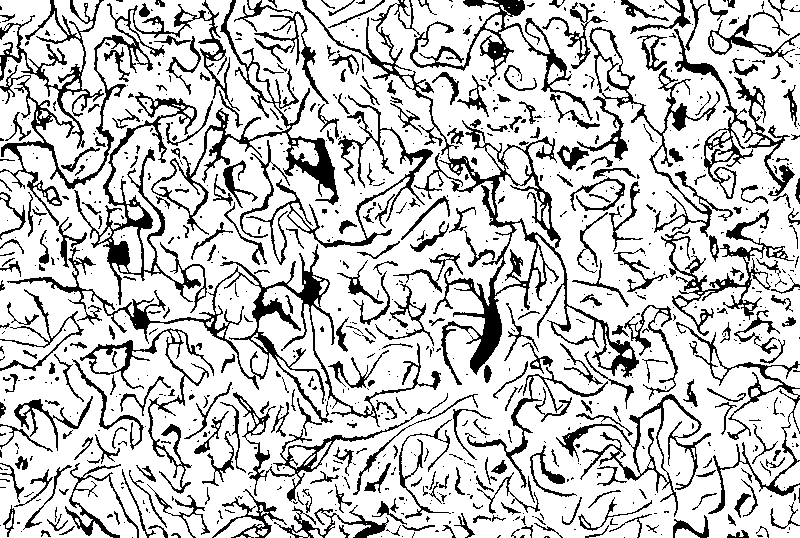
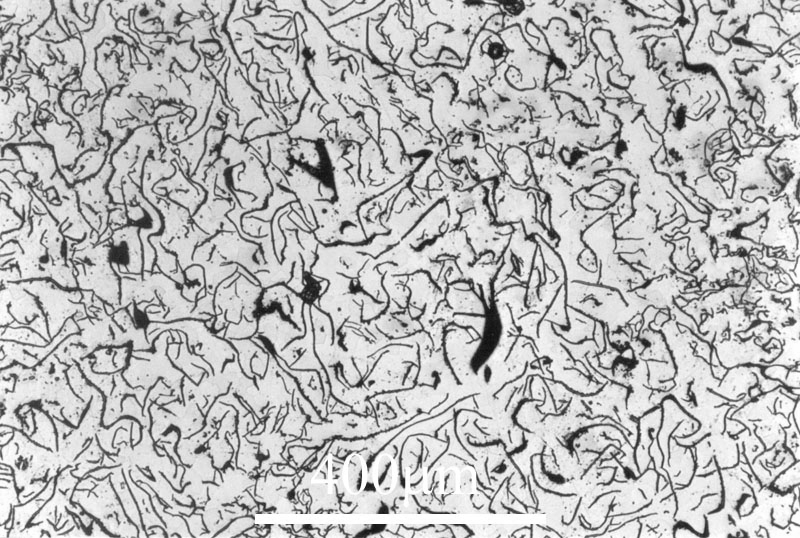
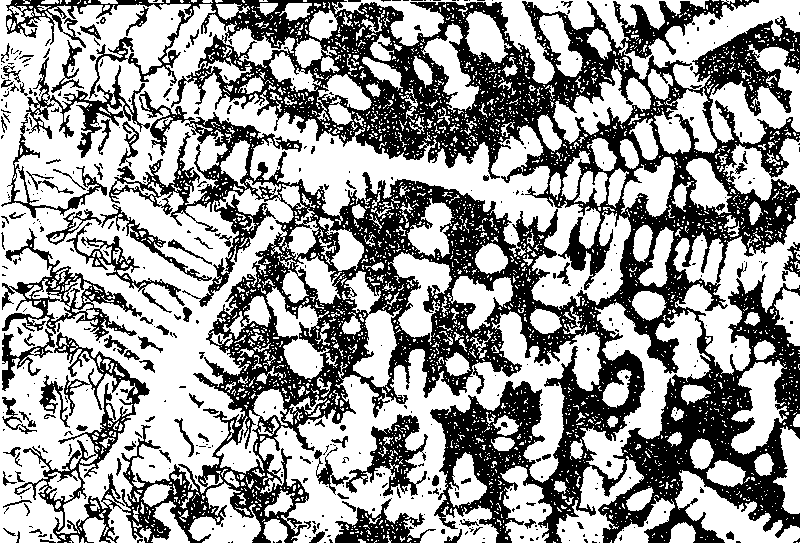
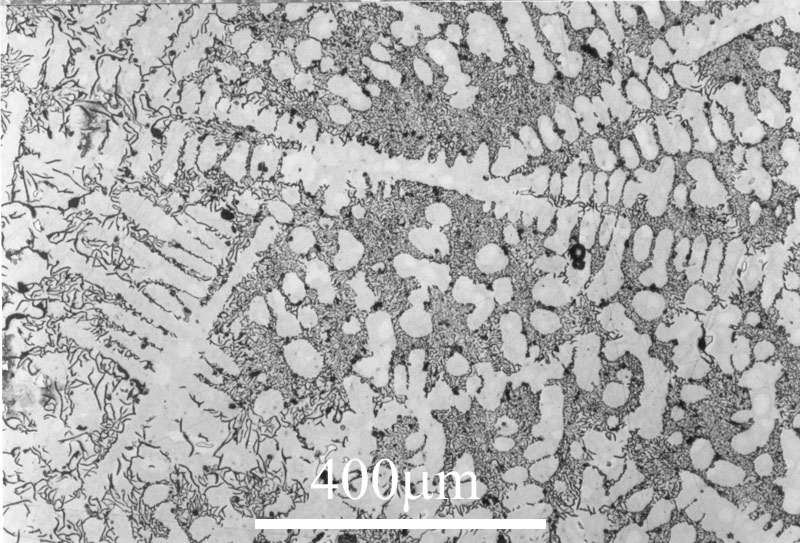
"brief_description": "Grey cast iron",
"long_description": "Cast iron with a high carbon content is referred to as grey cast iron since the carbon is present in the form of graphite flakes giving rise to a grey colour when viewed. This form of cast iron has several technologically useful properties such as good machinability, low melting temperature, good wear resistance and good mould reproduction.",
"contributor": "Dr R F Cochrane",
"organisation": "Department of Materials, University of Leeds",
"last_updated": "2025-09-22T13:26:23.413123Z",
"link_doitpoms": "https://www.doitpoms.ac.uk/miclib/full_record.php?id=381",
"data_3D": "https://microstructure-library.s3.eu-west-2.amazonaws.com/microstructure381/microstructure381.tif",
"data_2D": "https://microstructure-library.s3.eu-west-2.amazonaws.com/microstructure381/microstructure381_inpainted.png",
"data_2D_original": "https://microstructure-library.s3.eu-west-2.amazonaws.com/microstructure381/microstructure381_original.png",
"preview": "https://microstructure-library.s3.eu-west-2.amazonaws.com/microstructure381/microstructure381.mp4",
"inpaint_movie": "https://microstructure-library.s3.eu-west-2.amazonaws.com/microstructure381/microstructure381_inpaint.mp4",
"long_movie": "https://microstructure-library.s3.eu-west-2.amazonaws.com/microstructure381/microstructure381_long.mp4",
"generator": "https://microstructure-library.s3.eu-west-2.amazonaws.com/microstructure381/microstructure381_Gen.pt",
"params": "https://microstructure-library.s3.eu-west-2.amazonaws.com/microstructure381/microstructure381_params.data",
"vox_size": 1.3651877133105803,
"rating": 5,
"barbox": [
[
245,
440
],
[
548,
524
]
],
"barcol": [
255,
30
],
"phases": [
46,
229
],
"downloads": 13
},
{
"id": 30,
"name": "Microstructure 189",
"short_name": "microstructure189",
"data_type": 2,
"technique": 5,
"keyword": [
50,
59,
60,
61,
62,
63
],
"category": [
2
],
"element": [
14
],
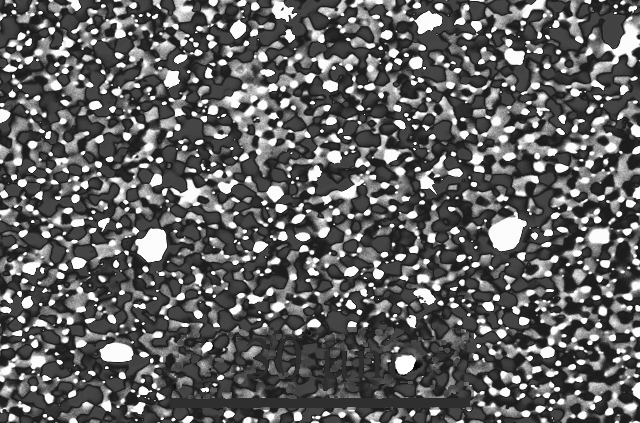
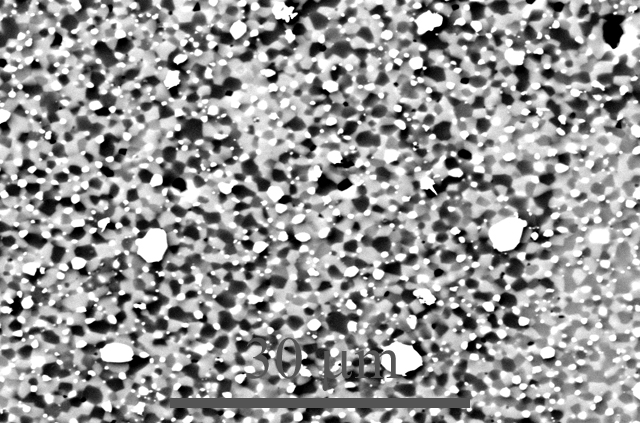
"brief_description": "Titanate ceramic for immobilising radioactive waste",
"long_description": "An assemblage of 5 mixed oxide phases and at least 2 metals. White phases are metals, either austenites (Fe,Ni,Mo,Ru) or silver. Oxide phases are by contrast: light grey is zirconolite (CaZrTi2O7 with some substituted species); mid grey is hollandite (Ba[Fe,Cr,Ti]8O16) with some Cs on Ba site; dark grey is perovskite loveringite (Ca[Ti,Fe,Cr,Zr]21O38) or spinel ([Fe,Ti,Cr]3O4).",
"contributor": "Dr E Maddrell",
"organisation": "BNFL plc, Sellafield",
"last_updated": "2025-10-28T13:50:06.156747Z",
"link_doitpoms": "https://www.doitpoms.ac.uk/miclib/full_record.php?id=189",
"data_3D": "https://microstructure-library.s3.eu-west-2.amazonaws.com/microstructure189/microstructure189.tif",
"data_2D": "https://microstructure-library.s3.eu-west-2.amazonaws.com/microstructure189/microstructure189_inpainted.png",
"data_2D_original": "https://microstructure-library.s3.eu-west-2.amazonaws.com/microstructure189/microstructure189_original.png",
"preview": "https://microstructure-library.s3.eu-west-2.amazonaws.com/microstructure189/microstructure189.mp4",
"inpaint_movie": "https://microstructure-library.s3.eu-west-2.amazonaws.com/microstructure189/microstructure189_inpaint.mp4",
"long_movie": "https://microstructure-library.s3.eu-west-2.amazonaws.com/microstructure189/microstructure189_long.mp4",
"generator": "https://microstructure-library.s3.eu-west-2.amazonaws.com/microstructure189/microstructure189_Gen.pt",
"params": "https://microstructure-library.s3.eu-west-2.amazonaws.com/microstructure189/microstructure189_params.data",
"vox_size": 0.1,
"rating": 5,
"barbox": [
[
163,
327
],
[
473,
409
]
],
"barcol": [
255,
139
],
"phases": [],
"downloads": 44
},
{
"id": 60,
"name": "Microstructure 406",
"short_name": "microstructure406",
"data_type": 1,
"technique": 1,
"keyword": [
1,
7,
15,
19,
45,
73
],
"category": [
1
],
"element": [
6,
7,
12,
15,
16,
18
],
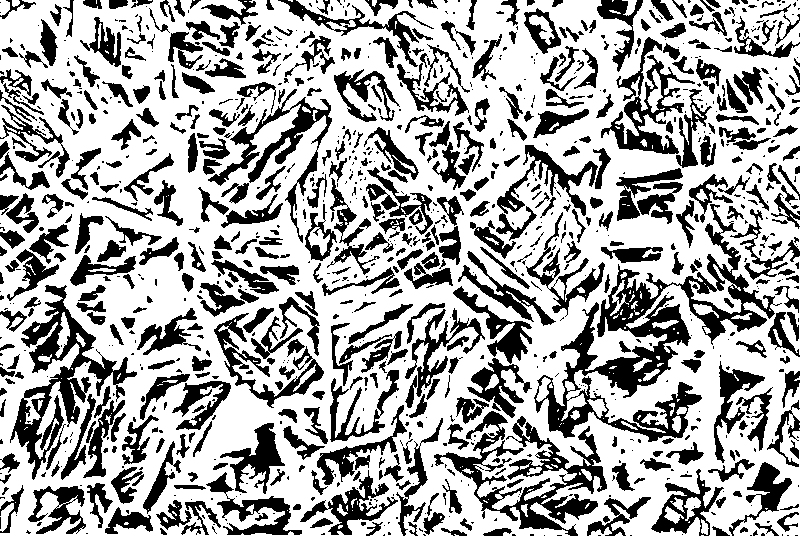
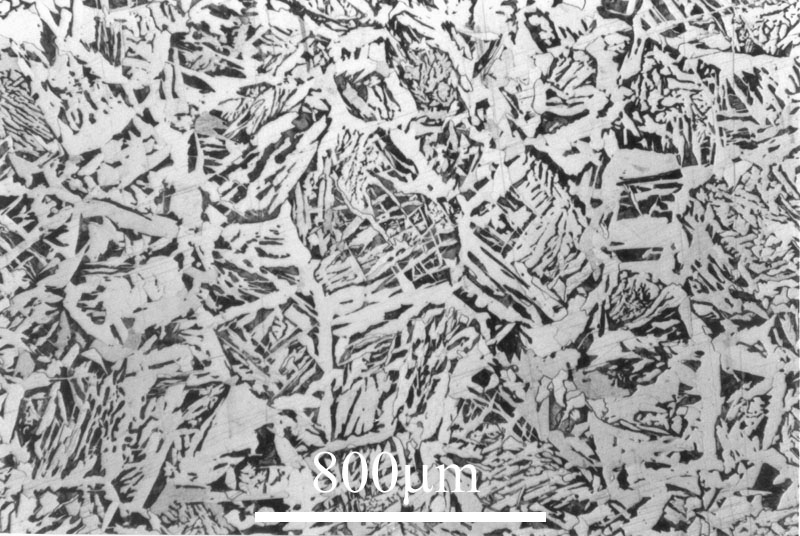
"brief_description": "Cast iron, containing phosphorus",
"long_description": "The presence of phosphorus in cast iron has no great effect on the graphite cementite ratio but serves to make the metal very fluid due to the creation of a low melting point phosphide eutectic. This may result in shrinkage porosity in large castings. Manganese serves to remove sulphur from the casting and since sulphur promotes cementite, the manganese will harden the iron.",
"contributor": "Dr R F Cochrane",
"organisation": "Department of Materials, University of Leeds",
"last_updated": "2025-09-22T13:54:38.865758Z",
"link_doitpoms": "https://www.doitpoms.ac.uk/miclib/full_record.php?id=406",
"data_3D": "https://microstructure-library.s3.eu-west-2.amazonaws.com/microstructure406/microstructure406.tif",
"data_2D": "https://microstructure-library.s3.eu-west-2.amazonaws.com/microstructure406/microstructure406_inpainted.png",
"data_2D_original": "https://microstructure-library.s3.eu-west-2.amazonaws.com/microstructure406/microstructure406_original.png",
"preview": "https://microstructure-library.s3.eu-west-2.amazonaws.com/microstructure406/microstructure406.mp4",
"inpaint_movie": "https://microstructure-library.s3.eu-west-2.amazonaws.com/microstructure406/microstructure406_inpaint.mp4",
"long_movie": "https://microstructure-library.s3.eu-west-2.amazonaws.com/microstructure406/microstructure406_long.mp4",
"generator": "https://microstructure-library.s3.eu-west-2.amazonaws.com/microstructure406/microstructure406_Gen.pt",
"params": "https://microstructure-library.s3.eu-west-2.amazonaws.com/microstructure406/microstructure406_params.data",
"vox_size": 2.7586206896551726,
"rating": 6,
"barbox": [
[
248,
425
],
[
547,
508
]
],
"barcol": [
255,
50
],
"phases": [
59,
234
],
"downloads": 3
},
{
"id": 42,
"name": "Microstructure 238",
"short_name": "microstructure238",
"data_type": 1,
"technique": 1,
"keyword": [
1,
7,
15,
19,
20,
21,
24
],
"category": [
1
],
"element": [
6,
7
],
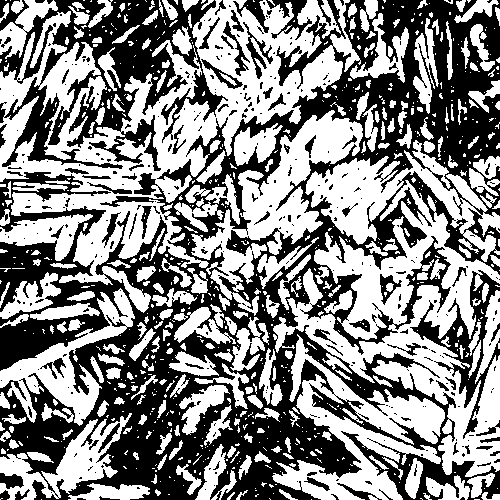
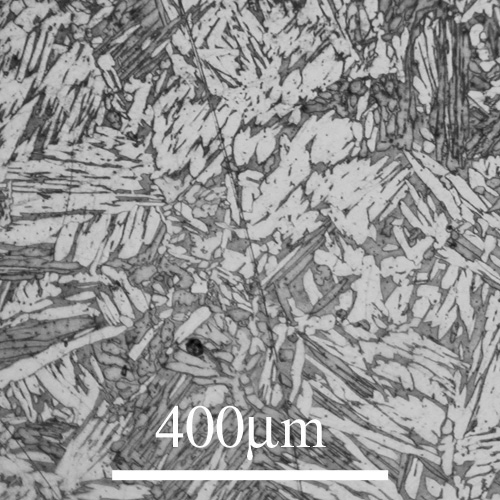
"brief_description": "Hypoeutectoid steel, normalised at 950°C",
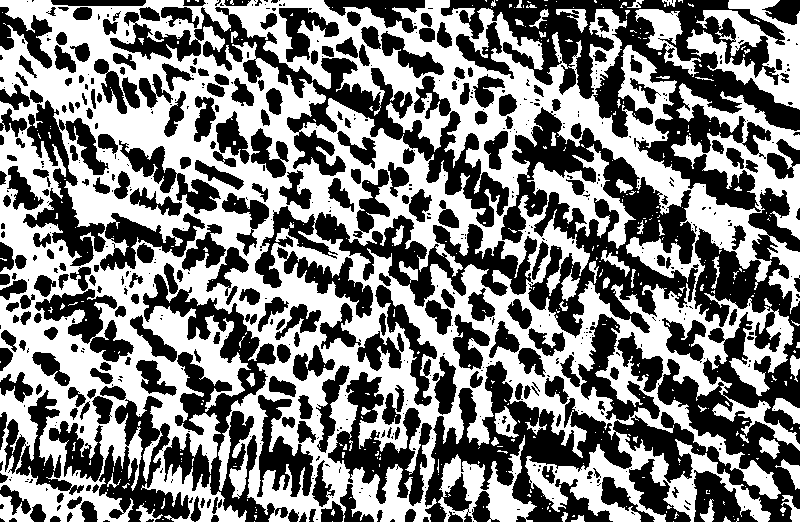
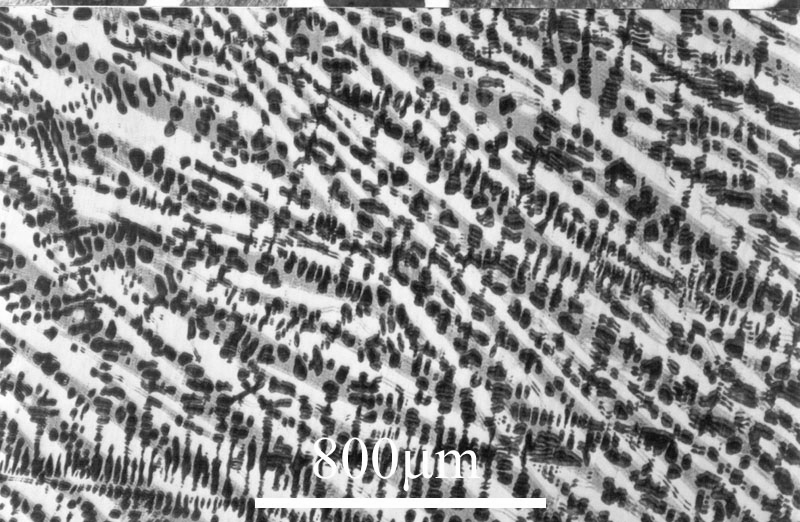
"long_description": "A hypoeutectoid alloy (carbon composition less than eutectoid). The first phase formed upon cooling from the austenite phase field is proeutectoid ferrite. Due to the lower solubility of carbon in ferrite, carbon is partitioned into the remaining austenite. At the eutectoid point the remaining carbon enriched austenite transforms to pearlite (a mixture of ferrite and cementite) which is the darker region of the micrograph. The proportion of pearlite is dependent upon the overall composition. The ferrite (light areas) is a good example of an allotriomorphic ferrite. This means that its shape does not reflect its internal crystalline symmetry as it nucleates on the austenite grain boundaries and hence follows the shape of the boundaries, the remaining austenite within the ferrite then transforms to pearlite, and is surrounded by the ferrite.",
"contributor": "Dr R F Cochrane",
"organisation": "Department of Materials, University of Leeds",
"last_updated": "2025-10-28T13:20:05.788791Z",
"link_doitpoms": "https://www.doitpoms.ac.uk/miclib/full_record.php?id=238",
"data_3D": "https://microstructure-library.s3.eu-west-2.amazonaws.com/microstructure238/microstructure238.tif",
"data_2D": "https://microstructure-library.s3.eu-west-2.amazonaws.com/microstructure238/microstructure238_inpainted.png",
"data_2D_original": "https://microstructure-library.s3.eu-west-2.amazonaws.com/microstructure238/microstructure238_original.png",
"preview": "https://microstructure-library.s3.eu-west-2.amazonaws.com/microstructure238/microstructure238.mp4",
"inpaint_movie": "https://microstructure-library.s3.eu-west-2.amazonaws.com/microstructure238/microstructure238_inpaint.mp4",
"long_movie": "https://microstructure-library.s3.eu-west-2.amazonaws.com/microstructure238/microstructure238_long.mp4",
"generator": "https://microstructure-library.s3.eu-west-2.amazonaws.com/microstructure238/microstructure238_Gen.pt",
"params": "https://microstructure-library.s3.eu-west-2.amazonaws.com/microstructure238/microstructure238_params.data",
"vox_size": 0.3424657534246575,
"rating": 6,
"barbox": [
[
246,
446
],
[
547,
522
]
],
"barcol": [
255,
40
],
"phases": [
148,
246
],
"downloads": 7
},
{
"id": 35,
"name": "Microstructure 213",
"short_name": "microstructure213",
"data_type": 1,
"technique": 1,
"keyword": [
1,
7,
15,
17,
19,
20,
21
],
"category": [
1
],
"element": [
6,
7
],
"brief_description": "Normalised carbon steel",
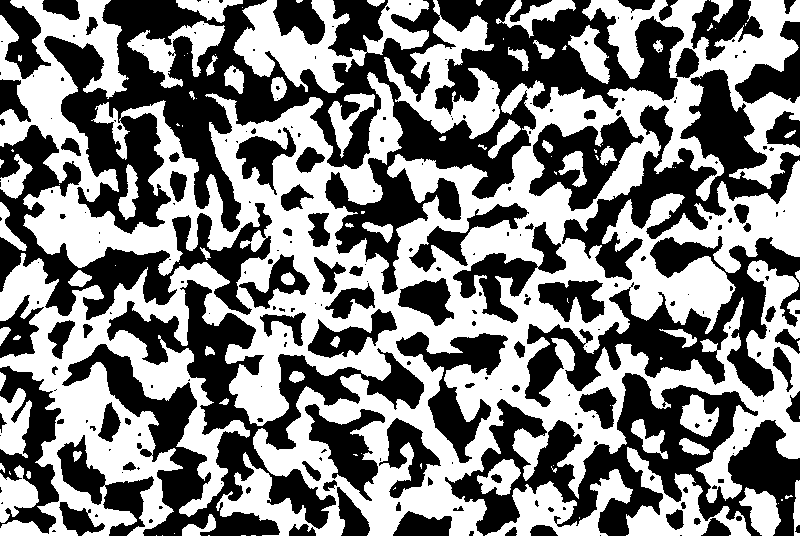
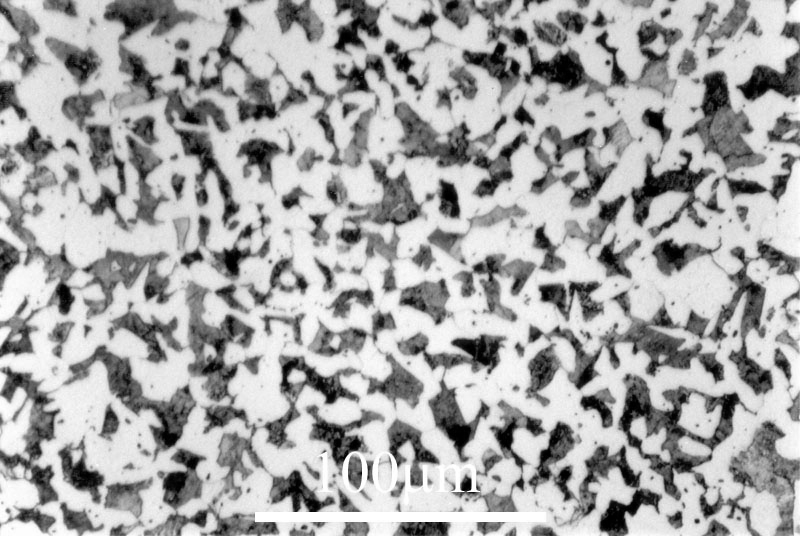
"long_description": "Low carbon steel with a microstructure consisting mostly of ferrite with the darker pearlite regions around the ferrite grains. Upon cooling the steel the ferrite forms initially, either on austenite grain boundaries or inclusions. This causes carbon to be partitioned into the austenite. Eventually the remaining austenite will be at the eutectoid condition and the transformation to pearlite will then take place.",
"contributor": "Dr R F Cochrane",
"organisation": "Department of Materials, University of Leeds",
"last_updated": "2025-09-22T13:54:48.670013Z",
"link_doitpoms": "https://www.doitpoms.ac.uk/miclib/full_record.php?id=213",
"data_3D": "https://microstructure-library.s3.eu-west-2.amazonaws.com/microstructure213/microstructure213.tif",
"data_2D": "https://microstructure-library.s3.eu-west-2.amazonaws.com/microstructure213/microstructure213_inpainted.png",
"data_2D_original": "https://microstructure-library.s3.eu-west-2.amazonaws.com/microstructure213/microstructure213_original.png",
"preview": "https://microstructure-library.s3.eu-west-2.amazonaws.com/microstructure213/microstructure213.mp4",
"inpaint_movie": "https://microstructure-library.s3.eu-west-2.amazonaws.com/microstructure213/microstructure213_inpaint.mp4",
"long_movie": "https://microstructure-library.s3.eu-west-2.amazonaws.com/microstructure213/microstructure213_long.mp4",
"generator": "https://microstructure-library.s3.eu-west-2.amazonaws.com/microstructure213/microstructure213_Gen.pt",
"params": "https://microstructure-library.s3.eu-west-2.amazonaws.com/microstructure213/microstructure213_params.data",
"vox_size": 2.7491408934707904,
"rating": 6,
"barbox": [
[
247,
443
],
[
547,
521
]
],
"barcol": [
255,
70
],
"phases": [
35,
258
],
"downloads": 11
},
{
"id": 15,
"name": "Microstructure 051",
"short_name": "microstructure051",
"data_type": 1,
"technique": 1,
"keyword": [
1,
3,
7,
27,
29,
33
],
"category": [
1
],
"element": [
2,
8
],
"brief_description": "Cu 60, Zn 40 (wt%), air cooled - Widmanstätten microstructure",
"long_description": "This sample has been air cooled. The fast cooling rate changes the morphology to a 'basket weave' appearance known as a Widmanstätten microstructure. The α phase precipitates out of the single β phase during cooling to give α plates in a β matrix. The plates form in order to minimise strain energy.",
"contributor": "Prof T W Clyne",
"organisation": "Department of Materials Science and Metallurgy, University of Cambridge",
"last_updated": "2025-09-22T13:54:52.494515Z",
"link_doitpoms": "https://www.doitpoms.ac.uk/miclib/full_record.php?id=51",
"data_3D": "https://microstructure-library.s3.eu-west-2.amazonaws.com/microstructure051/microstructure051.tif",
"data_2D": "https://microstructure-library.s3.eu-west-2.amazonaws.com/microstructure051/microstructure051_inpainted.png",
"data_2D_original": "https://microstructure-library.s3.eu-west-2.amazonaws.com/microstructure051/microstructure051_original.png",
"preview": "https://microstructure-library.s3.eu-west-2.amazonaws.com/microstructure051/microstructure051.mp4",
"inpaint_movie": "https://microstructure-library.s3.eu-west-2.amazonaws.com/microstructure051/microstructure051_inpaint.mp4",
"long_movie": "https://microstructure-library.s3.eu-west-2.amazonaws.com/microstructure051/microstructure051_long.mp4",
"generator": "https://microstructure-library.s3.eu-west-2.amazonaws.com/microstructure051/microstructure051_Gen.pt",
"params": "https://microstructure-library.s3.eu-west-2.amazonaws.com/microstructure051/microstructure051_params.data",
"vox_size": 1.4492753623188406,
"rating": 6,
"barbox": [
[
102,
403
],
[
390,
481
]
],
"barcol": [
255,
200
],
"phases": [
128,
157
],
"downloads": 3
},
{
"id": 64,
"name": "Microstructure 442",
"short_name": "microstructure442",
"data_type": 1,
"technique": 1,
"keyword": [
1,
3,
7,
27,
29,
33
],
"category": [
1
],
"element": [
2,
8
],
"brief_description": "Cu 60, Zn 40 (wt%) brass, Widmanstätten microstructure",
"long_description": "This sample has been air cooled. The fast cooling rate changes the morphology to a 'basket weave' appearance known as a Widmanstätten microstructure. The a phase precipitates out of the single b phase during cooling to give a plates in a b matrix. The plates form in order to minimise strain energy.",
"contributor": "Dr R F Cochrane",
"organisation": "Department of Materials, University of Leeds",
"last_updated": "2025-09-22T13:54:55.380795Z",
"link_doitpoms": "https://www.doitpoms.ac.uk/miclib/full_record.php?id=442",
"data_3D": "https://microstructure-library.s3.eu-west-2.amazonaws.com/microstructure442/microstructure442.tif",
"data_2D": "https://microstructure-library.s3.eu-west-2.amazonaws.com/microstructure442/microstructure442_inpainted.png",
"data_2D_original": "https://microstructure-library.s3.eu-west-2.amazonaws.com/microstructure442/microstructure442_original.png",
"preview": "https://microstructure-library.s3.eu-west-2.amazonaws.com/microstructure442/microstructure442.mp4",
"inpaint_movie": "https://microstructure-library.s3.eu-west-2.amazonaws.com/microstructure442/microstructure442_inpaint.mp4",
"long_movie": "https://microstructure-library.s3.eu-west-2.amazonaws.com/microstructure442/microstructure442_long.mp4",
"generator": "https://microstructure-library.s3.eu-west-2.amazonaws.com/microstructure442/microstructure442_Gen.pt",
"params": "https://microstructure-library.s3.eu-west-2.amazonaws.com/microstructure442/microstructure442_params.data",
"vox_size": 0.3448275862068966,
"rating": 6,
"barbox": [
[
245,
439
],
[
547,
526
]
],
"barcol": [
255,
150
],
"phases": [
82,
193
],
"downloads": 18
},
{
"id": 13,
"name": "Microstructure 047",
"short_name": "microstructure047",
"data_type": 1,
"technique": 1,
"keyword": [
1,
2,
3,
4,
7,
11,
38
],
"category": [
1
],
"element": [
1,
2
],
"brief_description": "Al 95, Cu 5 (wt%), microsegregation - cored dendrites",
"long_description": "This sample shows kappa-Al dendrites surrounded by a fine eutectic in which the two phases, kappa and θ (AlCu) cannot be resolved optically. The θ phase is non-equilibrium and is present due to microsegregation during solidification. This occurs at the beginning of solidification when the solid is low in solute creating 'cored' dendrites and leaving a solute-enriched liquid.",
"contributor": "Prof T W Clyne",
"organisation": "Department of Materials Science and Metallurgy, University of Cambridge",
"last_updated": "2025-09-22T13:54:58.965678Z",
"link_doitpoms": "https://www.doitpoms.ac.uk/miclib/full_record.php?id=47",
"data_3D": "https://microstructure-library.s3.eu-west-2.amazonaws.com/microstructure047/microstructure047.tif",
"data_2D": "https://microstructure-library.s3.eu-west-2.amazonaws.com/microstructure047/microstructure047_inpainted.png",
"data_2D_original": "https://microstructure-library.s3.eu-west-2.amazonaws.com/microstructure047/microstructure047_original.png",
"preview": "https://microstructure-library.s3.eu-west-2.amazonaws.com/microstructure047/microstructure047.mp4",
"inpaint_movie": "https://microstructure-library.s3.eu-west-2.amazonaws.com/microstructure047/microstructure047_inpaint.mp4",
"long_movie": "https://microstructure-library.s3.eu-west-2.amazonaws.com/microstructure047/microstructure047_long.mp4",
"generator": "https://microstructure-library.s3.eu-west-2.amazonaws.com/microstructure047/microstructure047_Gen.pt",
"params": "https://microstructure-library.s3.eu-west-2.amazonaws.com/microstructure047/microstructure047_params.data",
"vox_size": 1.444043321299639,
"rating": 6,
"barbox": [
[
100,
395
],
[
390,
481
]
],
"barcol": [
255,
109
],
"phases": [
41,
255
],
"downloads": 2
},
{
"id": 52,
"name": "Microstructure 370",
"short_name": "microstructure370",
"data_type": 1,
"technique": 1,
"keyword": [
1,
7,
15,
19,
70
],
"category": [
1
],
"element": [
6,
7,
12,
15,
18
],
"brief_description": "As cast white cast iron",
"long_description": "An example of a white cast iron, so named due to its relatively low carbon content, which means that the carbon present is in the form of cementite. Upon cooling the melt initially forms austenite dendrites and ledeburite. The dendrites then transform to pearlite, and the ledeburite to ferrite and cementite.",
"contributor": "Dr R F Cochrane",
"organisation": "Department of Materials, University of Leeds",
"last_updated": "2025-09-22T13:55:07.411376Z",
"link_doitpoms": "https://www.doitpoms.ac.uk/miclib/full_record.php?id=370",
"data_3D": "https://microstructure-library.s3.eu-west-2.amazonaws.com/microstructure370/microstructure370.tif",
"data_2D": "https://microstructure-library.s3.eu-west-2.amazonaws.com/microstructure370/microstructure370_inpainted.png",
"data_2D_original": "https://microstructure-library.s3.eu-west-2.amazonaws.com/microstructure370/microstructure370_original.png",
"preview": "https://microstructure-library.s3.eu-west-2.amazonaws.com/microstructure370/microstructure370.mp4",
"inpaint_movie": "https://microstructure-library.s3.eu-west-2.amazonaws.com/microstructure370/microstructure370_inpaint.mp4",
"long_movie": "https://microstructure-library.s3.eu-west-2.amazonaws.com/microstructure370/microstructure370_long.mp4",
"generator": "https://microstructure-library.s3.eu-west-2.amazonaws.com/microstructure370/microstructure370_Gen.pt",
"params": "https://microstructure-library.s3.eu-west-2.amazonaws.com/microstructure370/microstructure370_params.data",
"vox_size": 1.3793103448275863,
"rating": 6,
"barbox": [
[
246,
448
],
[
546,
523
]
],
"barcol": [
255,
70
],
"phases": [
190,
241
],
"downloads": 2
},
{
"id": 71,
"name": "Microstructure 716",
"short_name": "microstructure716",
"data_type": 1,
"technique": 8,
"keyword": [
1,
7,
12,
81,
82,
83
],
"category": [
1
],
"element": [
1,
5,
6,
18,
19,
22,
23
],
"brief_description": "IN718 nickel-based superalloy held for 3 hours at 850°C",
"long_description": "IN718 is a nickel-based superalloy composed of approximately 53 wt% Ni, 19 wt% Fe, 18 wt% Cr, 5 wt% Nb, and small amounts of Ti, Mo, Co, and Al. The alloy has a number of distinct phases present in its microstructure. These are namely the matrix, g, and the precipitates, g', g'', and d. The primary strengthening phase is g'' [1], the composition of which is Ni3Nb. It has a body-centred tetragonal structure, and forms semi-coherently as disc-shaped platelets within the g matrix, having three variants lying on the {100} planes. It is stable for over 10,000 hours at 600°C; however, above this temperature it decomposes to form g', Ni3Al (between 650°C and 850°C), and d, the same composition as g'' (between 750°C and 1000°C). It has been commented that, at large volume fractions and when it forms continuously along grain boundaries, d is detrimental to both strength and toughness [2]. The d phase that forms is more stable than the g'' phase, and has an orthorhombic structure. During cooling, d phase precipitates begin to form along the {111} planes in the matrix, nucleating at grain boundaries at approximately 1010°C. The g' precipitates, of L12 structure, are seen within the g matrix when it has been depleted of niobium due to the formation of g'' and d. The Time-Temperature-Transformation (TTT) diagram for IN718 shows that d precipitates at higher temperatures than the g'', and that over long periods of time both d and g' are more stable than g''. The micrograph shows the microstructure after being held for 3 hours at 850°C, the volume fraction of d is greater than when held for shorter periods of time.References: [1] J. W. Brooks and P. J. Bridges. Metallurgical Stability of Inconel Alloy 718. Superalloys '88, pages 33 - 42, 1988. [2] B. Gleeson. High-Temperature Corrosion of Metallic Alloys and Coatings: Volume II. In M. Schütze, editor, Corrosion and Environmental Degradation, volume 19 of Materials Science and Technology, chapter 5, pages 173 - 228. Wiley, 2000.",
"contributor": "R Guest",
"organisation": "Rolls-Royce University Technology Centre, Department of Materials Science and Metallurgy, University of Cambridge",
"last_updated": "2025-09-22T13:54:45.576269Z",
"link_doitpoms": "https://www.doitpoms.ac.uk/miclib/full_record.php?id=716",
"data_3D": "https://microstructure-library.s3.eu-west-2.amazonaws.com/microstructure716/microstructure716.tif",
"data_2D": "https://microstructure-library.s3.eu-west-2.amazonaws.com/microstructure716/microstructure716_inpainted.png",
"data_2D_original": "https://microstructure-library.s3.eu-west-2.amazonaws.com/microstructure716/microstructure716_original.png",
"preview": "https://microstructure-library.s3.eu-west-2.amazonaws.com/microstructure716/microstructure716.mp4",
"inpaint_movie": "https://microstructure-library.s3.eu-west-2.amazonaws.com/microstructure716/microstructure716_inpaint.mp4",
"long_movie": "https://microstructure-library.s3.eu-west-2.amazonaws.com/microstructure716/microstructure716_long.mp4",
"generator": "https://microstructure-library.s3.eu-west-2.amazonaws.com/microstructure716/microstructure716_Gen.pt",
"params": "https://microstructure-library.s3.eu-west-2.amazonaws.com/microstructure716/microstructure716_params.data",
"vox_size": 0.22123893805309736,
"rating": 6,
"barbox": [
[
660,
544
],
[
792,
584
]
],
"barcol": null,
"phases": [
124,
164
],
"downloads": 11
},
{
"id": 57,
"name": "Microstructure 387",
"short_name": "microstructure387",
"data_type": 1,
"technique": 1,
"keyword": [
1,
7,
15,
19,
47,
71
],
"category": [
1
],
"element": [
6,
7,
12,
15
],
"brief_description": "Silal",
"long_description": "This sample shows the typical structure of silal, irons with high Si content (5.5-7.9 wt%). It is a grey cast iron alloyed with 4-6wt% Si to provide good oxidation resistance. The high Si content forms a dense, adherent iron silicate surface film, which is resistant to oxygen penetration. The flake graphite iron Silal was one of the first heat resisting cast irons developed. Spheroidal graphite Si irons have higher strength and improved ductility. The structure shows cored dendrites of ferrite with interdendritic flake graphite. A few white areas of Si carbide are also present.",
"contributor": "Dr R F Cochrane",
"organisation": "Department of Materials, University of Leeds",
"last_updated": "2025-09-22T13:55:03.760401Z",
"link_doitpoms": "https://www.doitpoms.ac.uk/miclib/full_record.php?id=387",
"data_3D": "https://microstructure-library.s3.eu-west-2.amazonaws.com/microstructure387/microstructure387.tif",
"data_2D": "https://microstructure-library.s3.eu-west-2.amazonaws.com/microstructure387/microstructure387_inpainted.png",
"data_2D_original": "https://microstructure-library.s3.eu-west-2.amazonaws.com/microstructure387/microstructure387_original.png",
"preview": "https://microstructure-library.s3.eu-west-2.amazonaws.com/microstructure387/microstructure387.mp4",
"inpaint_movie": "https://microstructure-library.s3.eu-west-2.amazonaws.com/microstructure387/microstructure387_inpaint.mp4",
"long_movie": "https://microstructure-library.s3.eu-west-2.amazonaws.com/microstructure387/microstructure387_long.mp4",
"generator": "https://microstructure-library.s3.eu-west-2.amazonaws.com/microstructure387/microstructure387_Gen.pt",
"params": "https://microstructure-library.s3.eu-west-2.amazonaws.com/microstructure387/microstructure387_params.data",
"vox_size": 1.3888888888888888,
"rating": 6,
"barbox": [
[
249,
453
],
[
546,
528
]
],
"barcol": [
255,
50
],
"phases": [
113,
223
],
"downloads": 3
},
{
"id": 20,
"name": "Microstructure 068",
"short_name": "microstructure068",
"data_type": 1,
"technique": 1,
"keyword": [
1,
7,
19,
45
],
"category": [
1
],
"element": [
6,
7,
14
],
"brief_description": "Grey cast iron core with white cast iron periphery",
"long_description": "This sample shows a combination of white and grey cast irons. The core consists of a grey cast iron with a periphery of white cast iron.",
"contributor": "Prof T W Clyne",
"organisation": "Department of Materials Science and Metallurgy, University of Cambridge",
"last_updated": "2025-09-22T13:55:10.308445Z",
"link_doitpoms": "https://www.doitpoms.ac.uk/miclib/full_record.php?id=68",
"data_3D": "https://microstructure-library.s3.eu-west-2.amazonaws.com/microstructure068/microstructure068.tif",
"data_2D": "https://microstructure-library.s3.eu-west-2.amazonaws.com/microstructure068/microstructure068_inpainted.png",
"data_2D_original": "https://microstructure-library.s3.eu-west-2.amazonaws.com/microstructure068/microstructure068_original.png",
"preview": "https://microstructure-library.s3.eu-west-2.amazonaws.com/microstructure068/microstructure068.mp4",
"inpaint_movie": "https://microstructure-library.s3.eu-west-2.amazonaws.com/microstructure068/microstructure068_inpaint.mp4",
"long_movie": "https://microstructure-library.s3.eu-west-2.amazonaws.com/microstructure068/microstructure068_long.mp4",
"generator": "https://microstructure-library.s3.eu-west-2.amazonaws.com/microstructure068/microstructure068_Gen.pt",
"params": "https://microstructure-library.s3.eu-west-2.amazonaws.com/microstructure068/microstructure068_params.data",
"vox_size": 0.7246376811594203,
"rating": 6,
"barbox": [
[
102,
397
],
[
394,
481
]
],
"barcol": [
255,
30
],
"phases": [
62,
236
],
"downloads": 13
}
]
}