HTTP 200 OK
Allow: GET, POST, HEAD, OPTIONS
Content-Type: application/json
Vary: Accept
{
"links": {
"next": "https://microlib.io/api/microstructure/?format=api&page=7",
"previous": "https://microlib.io/api/microstructure/?format=api&page=5",
"first": "https://microlib.io/api/microstructure/?page=1",
"last": "https://microlib.io/api/microstructure/?page=7"
},
"total": 79,
"page": 6,
"page_size": 12,
"number_pages": 7,
"results": [
{
"id": 33,
"name": "Microstructure 210",
"short_name": "microstructure210",
"data_type": 1,
"technique": 1,
"keyword": [
1,
7,
15,
17,
19,
20,
21
],
"category": [
1
],
"element": [
6,
7
],
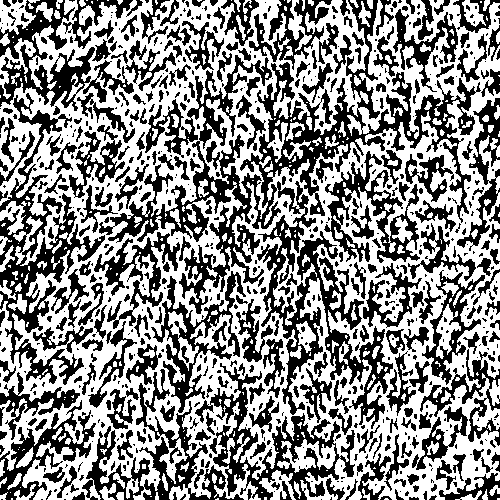
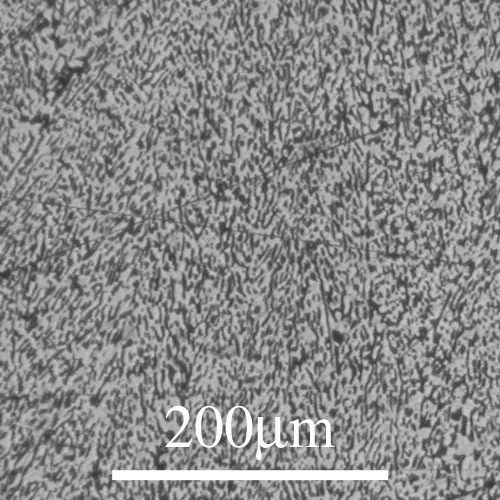
"brief_description": "As cast carbon steel",
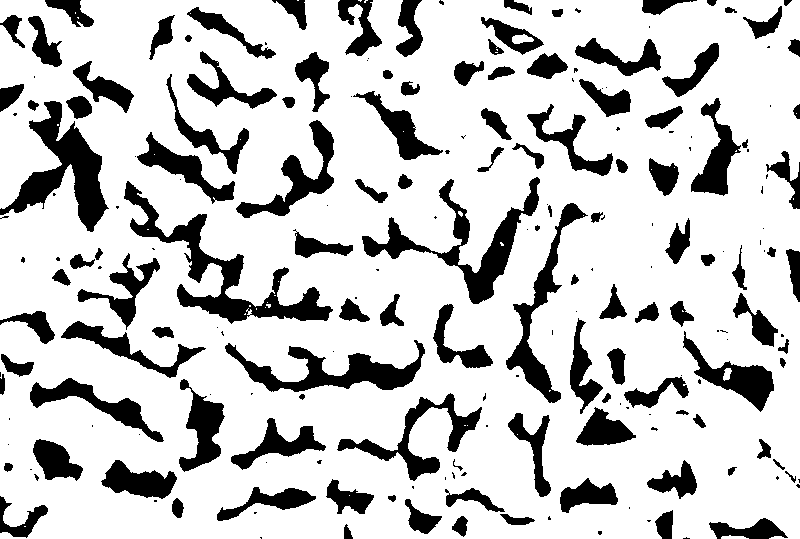
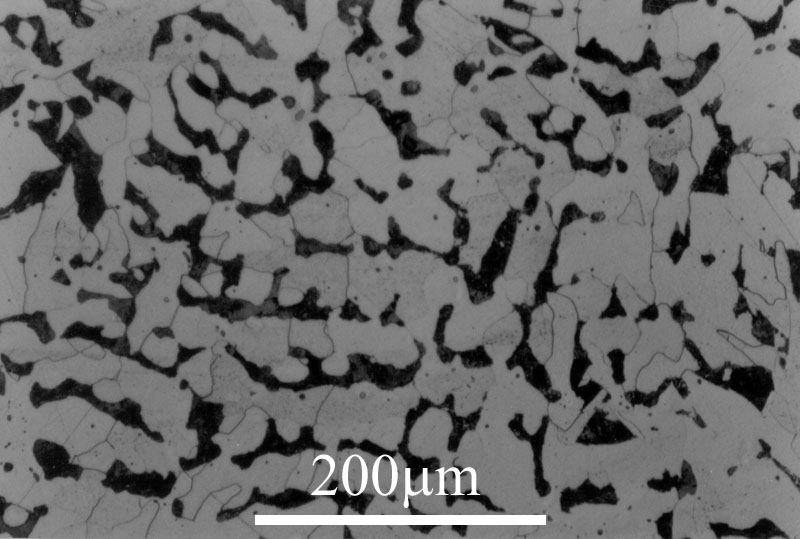
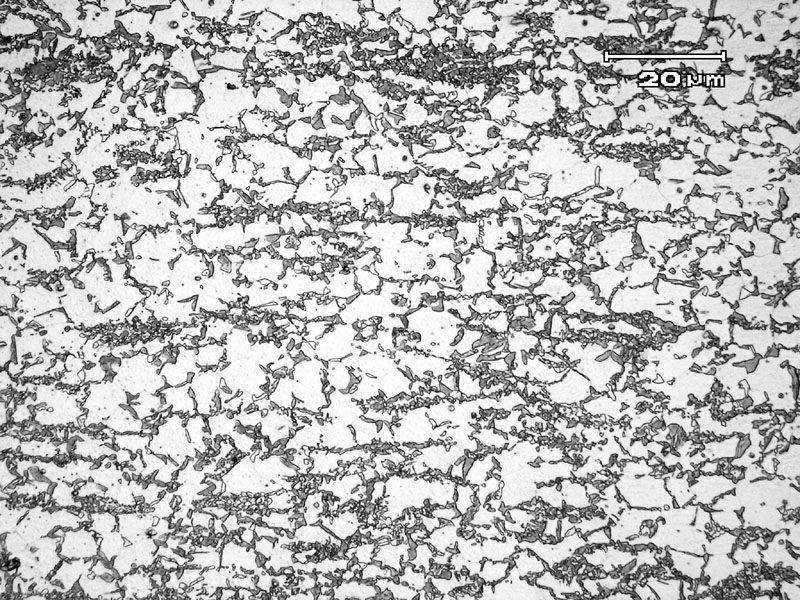
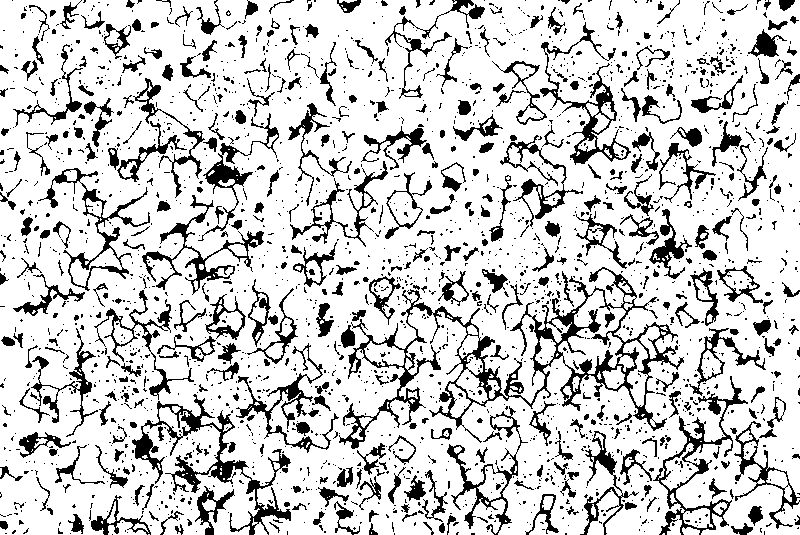
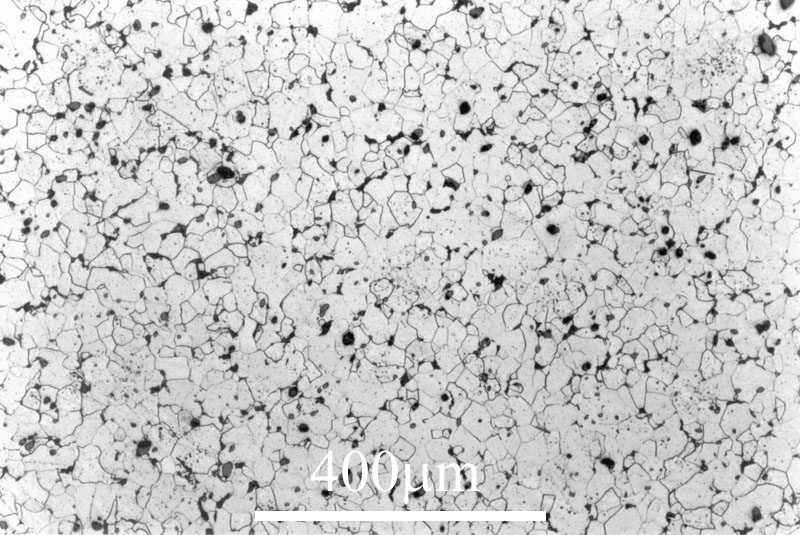
"long_description": "Low carbon steel with a microstructure consisting mostly of ferrite with the darker pearlite regions around the ferrite grains. Upon cooling the steel the ferrite forms initially, either on austenite grain boundaries or inclusions. This causes carbon to be partitioned into the austenite. Eventually the remaining austenite will be at the eutectoid condition and the transformation to pearlite will then take place.",
"contributor": "Dr R F Cochrane",
"organisation": "Department of Materials, University of Leeds",
"last_updated": "2023-11-12T17:45:06.223977Z",
"link_doitpoms": "https://www.doitpoms.ac.uk/miclib/full_record.php?id=210",
"data_3D": "https://microstructure-library.s3.eu-west-2.amazonaws.com/microstructure210/microstructure210.tif",
"data_2D": "https://microstructure-library.s3.eu-west-2.amazonaws.com/microstructure210/microstructure210_inpainted.png",
"data_2D_original": "https://microstructure-library.s3.eu-west-2.amazonaws.com/microstructure210/microstructure210_original.png",
"preview": "https://microstructure-library.s3.eu-west-2.amazonaws.com/microstructure210/microstructure210.mp4",
"inpaint_movie": "https://microstructure-library.s3.eu-west-2.amazonaws.com/microstructure210/microstructure210_inpaint.mp4",
"long_movie": "https://microstructure-library.s3.eu-west-2.amazonaws.com/microstructure210/microstructure210_long.mp4",
"generator": "https://microstructure-library.s3.eu-west-2.amazonaws.com/microstructure210/microstructure210_Gen.pt",
"params": "https://microstructure-library.s3.eu-west-2.amazonaws.com/microstructure210/microstructure210_params.data",
"vox_size": 0.6872852233676976,
"rating": 8,
"barbox": [
[
239,
437
],
[
547,
525
]
],
"barcol": [
255,
410
],
"phases": [
8,
133
],
"downloads": 6
},
{
"id": 69,
"name": "Microstructure 711",
"short_name": "microstructure711",
"data_type": 2,
"technique": 7,
"keyword": [
1,
2,
4,
7,
19,
43,
78,
79,
80
],
"category": [
1
],
"element": [
14
],
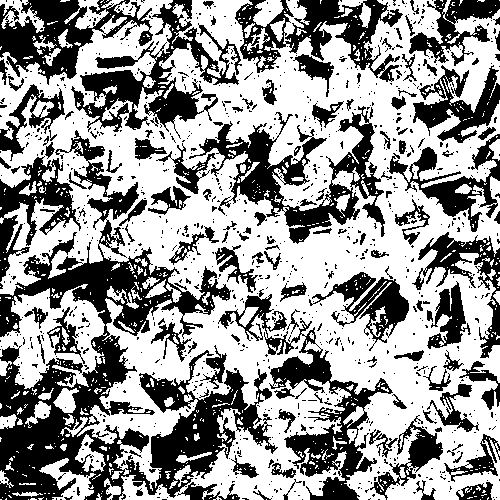
"brief_description": "As-cast wrought-grade aluminium alloy (Al-Mg-Fe-Si containing < 1wt.% of each solute). No addition of grain refinement particles (e.g. TiB2).",
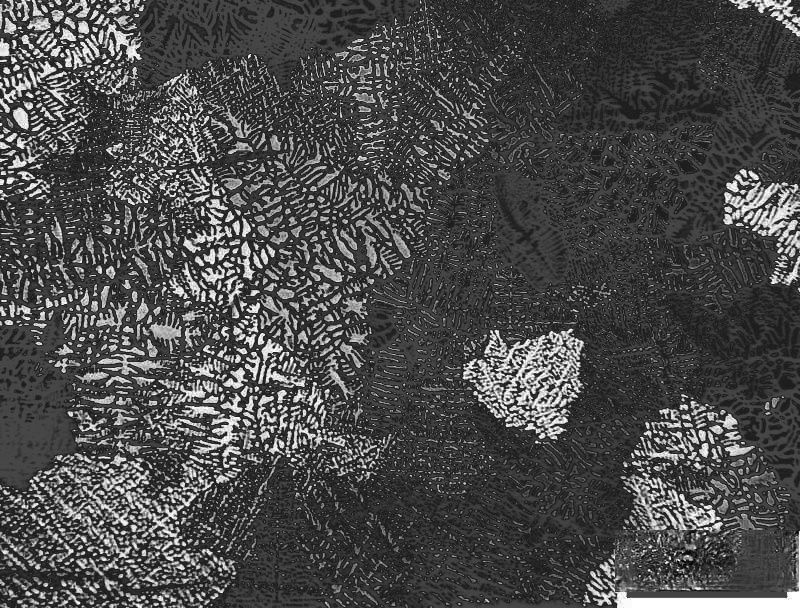
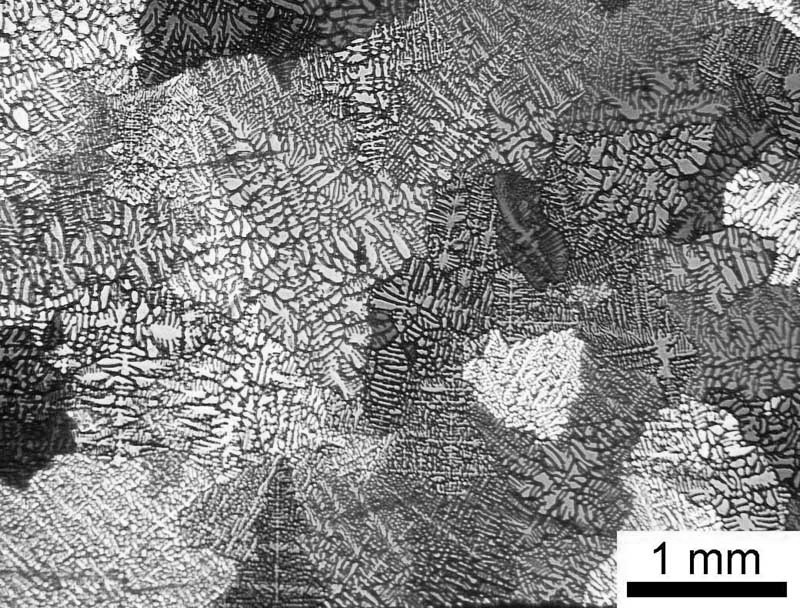
"long_description": "This micrograph illustrates one of the possible growth morphologies that a solidifying metal can adopt (c.f. micrograph 712). The dendritic structure is the result of instabilities in the solid-liquid interface during growth due to the rejection of solute into the liquid phase. Dendritic grains are more prevalent in alloys of high solute content and larger grain sizes.The Barker's etch and applied electrical field produce a thick oxide layer on the grains of aluminium (anodising). When viewed in cross-polarised light, interference in the oxide layer produces colours which depend on grain orientation and oxide thickness; hence the grain structure is imaged.",
"contributor": "T Quested",
"organisation": "Department of Materials Science and Metallurgy, University of Cambridge",
"last_updated": "2024-11-25T15:03:43.841239Z",
"link_doitpoms": "https://www.doitpoms.ac.uk/miclib/full_record.php?id=711",
"data_3D": "https://microstructure-library.s3.eu-west-2.amazonaws.com/microstructure711/microstructure711.tif",
"data_2D": "https://microstructure-library.s3.eu-west-2.amazonaws.com/microstructure711/microstructure711_inpainted.png",
"data_2D_original": "https://microstructure-library.s3.eu-west-2.amazonaws.com/microstructure711/microstructure711_original.png",
"preview": "https://microstructure-library.s3.eu-west-2.amazonaws.com/microstructure711/microstructure711.mp4",
"inpaint_movie": "https://microstructure-library.s3.eu-west-2.amazonaws.com/microstructure711/microstructure711_inpaint.mp4",
"long_movie": "https://microstructure-library.s3.eu-west-2.amazonaws.com/microstructure711/microstructure711_long.mp4",
"generator": "https://microstructure-library.s3.eu-west-2.amazonaws.com/microstructure711/microstructure711_Gen.pt",
"params": "https://microstructure-library.s3.eu-west-2.amazonaws.com/microstructure711/microstructure711_params.data",
"vox_size": 6.289308176100629,
"rating": 5,
"barbox": [
[
615,
530
],
[
798,
591
]
],
"barcol": null,
"phases": [],
"downloads": 15
},
{
"id": 6,
"name": "Microstructure 011",
"short_name": "microstructure011",
"data_type": 1,
"technique": 1,
"keyword": [
1,
3,
4,
7,
11,
12,
13
],
"category": [
1
],
"element": [
2,
5
],
"brief_description": "Cu 70, Ni 30 (wt%), cored dendrites",
"long_description": "This alloy is typical of many copper based alloy systems. The dendrite structure shows coring (variation in solute concentration). The light areas are rich in nickel and the darker areas are low in nickel. Chill casting extracts heat quickly enough to prevent significant solid state diffusion, resulting in cored dendrites. The centres of the dendrites that cool near the liquidus temperature, are nickel rich compared to the outer layers that solidify at progressively lower temperatures. Because the partition coefficient is positive the outer layers solidify with progressively lower nickel concentrations. The observed pattern results from the intersection of the plane of polish and the randomly orientated regions of equal solute concentration.",
"contributor": "Prof T W Clyne",
"organisation": "Department of Materials Science and Metallurgy, University of Cambridge",
"last_updated": "2025-09-24T09:10:13.324580Z",
"link_doitpoms": "https://www.doitpoms.ac.uk/miclib/full_record.php?id=11",
"data_3D": "https://microstructure-library.s3.eu-west-2.amazonaws.com/microstructure011/microstructure011.tif",
"data_2D": "https://microstructure-library.s3.eu-west-2.amazonaws.com/microstructure011/microstructure011_inpainted.png",
"data_2D_original": "https://microstructure-library.s3.eu-west-2.amazonaws.com/microstructure011/microstructure011_original.png",
"preview": "https://microstructure-library.s3.eu-west-2.amazonaws.com/microstructure011/microstructure011.mp4",
"inpaint_movie": "https://microstructure-library.s3.eu-west-2.amazonaws.com/microstructure011/microstructure011_inpaint.mp4",
"long_movie": "https://microstructure-library.s3.eu-west-2.amazonaws.com/microstructure011/microstructure011_long.mp4",
"generator": "https://microstructure-library.s3.eu-west-2.amazonaws.com/microstructure011/microstructure011_Gen.pt",
"params": "https://microstructure-library.s3.eu-west-2.amazonaws.com/microstructure011/microstructure011_params.data",
"vox_size": 0.2898550724637681,
"rating": 4,
"barbox": [
[
101,
399
],
[
393,
482
]
],
"barcol": [
255,
190
],
"phases": [
134,
226
],
"downloads": 13
},
{
"id": 5,
"name": "Microstructure 010",
"short_name": "microstructure010",
"data_type": 1,
"technique": 1,
"keyword": [
1,
3,
4,
7,
11,
12,
13
],
"category": [
1
],
"element": [
2,
5
],
"brief_description": "Cu 70, Ni 30 (wt%), cored dendrites",
"long_description": "This alloy is typical of many copper based alloy systems. The dendrite structure shows coring (variation in solute concentration). The light areas are rich in nickel and the darker areas are low in nickel. Chill casting extracts heat quickly enough to prevent significant solid state diffusion, resulting in cored dendrites. The centres of the dendrites that cool near the liquidus temperature, are nickel rich compared to the outer layers that solidify at progressively lower temperatures. Because the partition coefficient is positive the outer layers solidify with progressively lower nickel concentrations. The observed pattern results from the intersection of the plane of polish and the randomly orientated regions of equal solute concentration.",
"contributor": "Prof T W Clyne",
"organisation": "Department of Materials Science and Metallurgy, University of Cambridge",
"last_updated": "2025-09-24T11:02:56.680123Z",
"link_doitpoms": "https://www.doitpoms.ac.uk/miclib/full_record.php?id=10",
"data_3D": "https://microstructure-library.s3.eu-west-2.amazonaws.com/microstructure010/microstructure010.tif",
"data_2D": "https://microstructure-library.s3.eu-west-2.amazonaws.com/microstructure010/microstructure010_inpainted.png",
"data_2D_original": "https://microstructure-library.s3.eu-west-2.amazonaws.com/microstructure010/microstructure010_original.png",
"preview": "https://microstructure-library.s3.eu-west-2.amazonaws.com/microstructure010/microstructure010.mp4",
"inpaint_movie": "https://microstructure-library.s3.eu-west-2.amazonaws.com/microstructure010/microstructure010_inpaint.mp4",
"long_movie": "https://microstructure-library.s3.eu-west-2.amazonaws.com/microstructure010/microstructure010_long.mp4",
"generator": "https://microstructure-library.s3.eu-west-2.amazonaws.com/microstructure010/microstructure010_Gen.pt",
"params": "https://microstructure-library.s3.eu-west-2.amazonaws.com/microstructure010/microstructure010_params.data",
"vox_size": 1.444043321299639,
"rating": 8,
"barbox": [
[
102,
395
],
[
394,
499
]
],
"barcol": [
255,
270
],
"phases": [
104,
225
],
"downloads": 7
},
{
"id": 74,
"name": "Microstructure 740",
"short_name": "microstructure740",
"data_type": 1,
"technique": 1,
"keyword": [
1,
7,
85,
86,
87
],
"category": [
1
],
"element": [
6,
7,
12,
15
],
"brief_description": "TRIP steel annealed at 775°C for 5 mins and then hold at 400°C for 40s for austenite stabilization",
"long_description": "The microstructure shows martensite (straw-coloured), retained austenite (white) and some M-A constituents. Martensite volume fraction is higher than the steel which was hold for 150s at 400°C and cooled. Since the austenite is low in C-content for such a low holding time at 400°C, most of the austenite is transformed to martensite during cooling from 400°C to room temperature.",
"contributor": "Dr Amar K De",
"organisation": "ASPPRC, Metallurgical and Materials Engineering Department, Colorado School of Mines",
"last_updated": "2025-09-24T09:13:24.006950Z",
"link_doitpoms": "https://www.doitpoms.ac.uk/miclib/full_record.php?id=740",
"data_3D": "https://microstructure-library.s3.eu-west-2.amazonaws.com/microstructure740/microstructure740.tif",
"data_2D": "https://microstructure-library.s3.eu-west-2.amazonaws.com/microstructure740/microstructure740_inpainted.png",
"data_2D_original": "https://microstructure-library.s3.eu-west-2.amazonaws.com/microstructure740/microstructure740_original.png",
"preview": "https://microstructure-library.s3.eu-west-2.amazonaws.com/microstructure740/microstructure740.mp4",
"inpaint_movie": "https://microstructure-library.s3.eu-west-2.amazonaws.com/microstructure740/microstructure740_inpaint.mp4",
"long_movie": "https://microstructure-library.s3.eu-west-2.amazonaws.com/microstructure740/microstructure740_long.mp4",
"generator": "https://microstructure-library.s3.eu-west-2.amazonaws.com/microstructure740/microstructure740_Gen.pt",
"params": "https://microstructure-library.s3.eu-west-2.amazonaws.com/microstructure740/microstructure740_params.data",
"vox_size": 0.1652892561983471,
"rating": 8,
"barbox": [
[
592,
38
],
[
739,
94
]
],
"barcol": null,
"phases": [
197,
237
],
"downloads": 8
},
{
"id": 2,
"name": "Microstructure 002",
"short_name": "microstructure002",
"data_type": 1,
"technique": 2,
"keyword": [
1,
2,
3,
4,
5,
6,
7
],
"category": [
1
],
"element": [
1,
2
],
"brief_description": "Al 75, Cu 25 (wt%), hypoeutectic alloy",
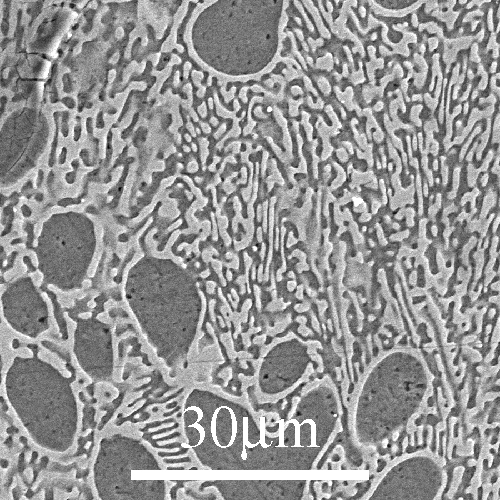
"long_description": "This is a secondary electron micrograph of the hypereuctectic alloy showing the Al dendrites and the Al-CuAl2 eutectic in greater detail. It is clear that the lamellar eutectic has been significantly distorted by the presence of the primary Al dendrites. Around the dendrites there is a layer of CuAl2.",
"contributor": "Prof T W Clyne",
"organisation": "Department of Materials Science and Metallurgy, University of Cambridge",
"last_updated": "2025-09-24T11:03:12.024709Z",
"link_doitpoms": "https://www.doitpoms.ac.uk/miclib/full_record.php?id=2",
"data_3D": "https://microstructure-library.s3.eu-west-2.amazonaws.com/microstructure002/microstructure002.tif",
"data_2D": "https://microstructure-library.s3.eu-west-2.amazonaws.com/microstructure002/microstructure002_inpainted.png",
"data_2D_original": "https://microstructure-library.s3.eu-west-2.amazonaws.com/microstructure002/microstructure002_original.png",
"preview": "https://microstructure-library.s3.eu-west-2.amazonaws.com/microstructure002/microstructure002.mp4",
"inpaint_movie": "https://microstructure-library.s3.eu-west-2.amazonaws.com/microstructure002/microstructure002_inpaint.mp4",
"long_movie": "https://microstructure-library.s3.eu-west-2.amazonaws.com/microstructure002/microstructure002_long.mp4",
"generator": "https://microstructure-library.s3.eu-west-2.amazonaws.com/microstructure002/microstructure002_Gen.pt",
"params": "https://microstructure-library.s3.eu-west-2.amazonaws.com/microstructure002/microstructure002_params.data",
"vox_size": 0.12658227848101267,
"rating": 9,
"barbox": [
[
124,
397
],
[
374,
482
]
],
"barcol": [
255,
10
],
"phases": [
122,
199
],
"downloads": 25
},
{
"id": 1,
"name": "Microstructure 001",
"short_name": "microstructure001",
"data_type": 1,
"technique": 1,
"keyword": [
1,
2,
3,
4,
5,
6,
7
],
"category": [
1
],
"element": [
1,
2
],
"brief_description": "Al 75, Cu 25 (wt%), hypoeutectic alloy",
"long_description": "The micrograph shows primary Al dendrite arms (white). The dendrite trunk has been intersected at an angle by the plane of polishing to give the observed morphology. Between the dendrites is the Al - CuAl2 eutectic. Initially dendrites would have formed from the liquid, the regions between the dendrite arms known as the mushy zone transforming to a eutectic solid (L to Al + CuAl2). These two phases form cooperatively as neighbouring lamellae with the lateral diffusion of material across the growing interface. The relative amounts of the two phases (Al and CuAl2 ) within the eutectic are determined by applying the Lever Rule at the eutectic temperature.",
"contributor": "Prof T W Clyne",
"organisation": "Department of Materials Science and Metallurgy, University of Cambridge",
"last_updated": "2025-09-25T11:18:33.821223Z",
"link_doitpoms": "https://www.doitpoms.ac.uk/miclib/full_record.php?id=1",
"data_3D": "https://microstructure-library.s3.eu-west-2.amazonaws.com/microstructure001/microstructure001.tif",
"data_2D": "https://microstructure-library.s3.eu-west-2.amazonaws.com/microstructure001/microstructure001_inpainted.png",
"data_2D_original": "https://microstructure-library.s3.eu-west-2.amazonaws.com/microstructure001/microstructure001_original.png",
"preview": "https://microstructure-library.s3.eu-west-2.amazonaws.com/microstructure001/microstructure001.mp4",
"inpaint_movie": "https://microstructure-library.s3.eu-west-2.amazonaws.com/microstructure001/microstructure001_inpaint.mp4",
"long_movie": "https://microstructure-library.s3.eu-west-2.amazonaws.com/microstructure001/microstructure001_long.mp4",
"generator": "https://microstructure-library.s3.eu-west-2.amazonaws.com/microstructure001/microstructure001_Gen.pt",
"params": "https://microstructure-library.s3.eu-west-2.amazonaws.com/microstructure001/microstructure001_params.data",
"vox_size": 0.14492753623188406,
"rating": 3,
"barbox": [
[
95,
399
],
[
386,
483
]
],
"barcol": [
255,
150
],
"phases": [
135,
208
],
"downloads": 64
},
{
"id": 8,
"name": "Microstructure 017",
"short_name": "microstructure017",
"data_type": 1,
"technique": 1,
"keyword": [
1,
7,
14,
15,
18,
19,
20,
21,
23,
24,
25
],
"category": [
1
],
"element": [
6,
7
],
"brief_description": "Fe, C 0.1 (wt%), hypoeutectoid alloy",
"long_description": "This is a hypoeutectoid alloy, which has been air cooled from the austenite phase field at 950 °C. The first solid to form is proeutectoid ferrite, its morphology being determined by the cooling rate. At slow cooling rates (furnace cooling) there is sufficient time for the carbon rejected from the austenite to diffuse and equilibrium solidification occurs. With faster cooling the microstructure also depends on the original austenite grain size.Fast cooling and large grain size favours ferrite forming as Widmanstätten side plates from the grain boundaries. Small grain sizes imply a high number of nuclei and hence the ferrite grows as grain boundary allotriomorphs. In this case air cooling is sufficiently slow to produce allotriomorphic ferrite. The majority of the austenite has changed to ferrite leaving only a small amount to be transformed to pearlite, therefore the microstructure shows large ferrite grains with small islands of pearlite.",
"contributor": "Prof T W Clyne",
"organisation": "Department of Materials Science and Metallurgy, University of Cambridge",
"last_updated": "2025-09-24T09:13:01.951572Z",
"link_doitpoms": "https://www.doitpoms.ac.uk/miclib/full_record.php?id=17",
"data_3D": "https://microstructure-library.s3.eu-west-2.amazonaws.com/microstructure017/microstructure017.tif",
"data_2D": "https://microstructure-library.s3.eu-west-2.amazonaws.com/microstructure017/microstructure017_inpainted.png",
"data_2D_original": "https://microstructure-library.s3.eu-west-2.amazonaws.com/microstructure017/microstructure017_original.png",
"preview": "https://microstructure-library.s3.eu-west-2.amazonaws.com/microstructure017/microstructure017.mp4",
"inpaint_movie": "https://microstructure-library.s3.eu-west-2.amazonaws.com/microstructure017/microstructure017_inpaint.mp4",
"long_movie": "https://microstructure-library.s3.eu-west-2.amazonaws.com/microstructure017/microstructure017_long.mp4",
"generator": "https://microstructure-library.s3.eu-west-2.amazonaws.com/microstructure017/microstructure017_Gen.pt",
"params": "https://microstructure-library.s3.eu-west-2.amazonaws.com/microstructure017/microstructure017_params.data",
"vox_size": 1.444043321299639,
"rating": 8,
"barbox": [
[
104,
402
],
[
391,
483
]
],
"barcol": [
255,
310
],
"phases": [
108,
154
],
"downloads": 8
},
{
"id": 11,
"name": "Microstructure 039",
"short_name": "microstructure039",
"data_type": 1,
"technique": 1,
"keyword": [
1,
3,
7,
28,
32,
34,
35,
36
],
"category": [
1
],
"element": [
2,
9
],
"brief_description": "Cu 98, Be 2 (wt%), quenched and aged - annealing twins",
"long_description": "This sample was solution treated, quenched and aged. Recrystallisation occurs during ageing creating annealing twins.",
"contributor": "Prof T W Clyne",
"organisation": "Department of Materials Science and Metallurgy, University of Cambridge",
"last_updated": "2025-09-24T09:13:31.154734Z",
"link_doitpoms": "https://www.doitpoms.ac.uk/miclib/full_record.php?id=39",
"data_3D": "https://microstructure-library.s3.eu-west-2.amazonaws.com/microstructure039/microstructure039.tif",
"data_2D": "https://microstructure-library.s3.eu-west-2.amazonaws.com/microstructure039/microstructure039_inpainted.png",
"data_2D_original": "https://microstructure-library.s3.eu-west-2.amazonaws.com/microstructure039/microstructure039_original.png",
"preview": "https://microstructure-library.s3.eu-west-2.amazonaws.com/microstructure039/microstructure039.mp4",
"inpaint_movie": "https://microstructure-library.s3.eu-west-2.amazonaws.com/microstructure039/microstructure039_inpaint.mp4",
"long_movie": "https://microstructure-library.s3.eu-west-2.amazonaws.com/microstructure039/microstructure039_long.mp4",
"generator": "https://microstructure-library.s3.eu-west-2.amazonaws.com/microstructure039/microstructure039_Gen.pt",
"params": "https://microstructure-library.s3.eu-west-2.amazonaws.com/microstructure039/microstructure039_params.data",
"vox_size": 1.4336917562724014,
"rating": 8,
"barbox": [
[
105,
394
],
[
393,
482
]
],
"barcol": [
255,
99
],
"phases": [
181,
212
],
"downloads": 2
},
{
"id": 31,
"name": "Microstructure 205",
"short_name": "microstructure205",
"data_type": 1,
"technique": 1,
"keyword": [
1,
7,
15,
19,
21,
64,
65
],
"category": [
1
],
"element": [
6,
7,
15,
17
],
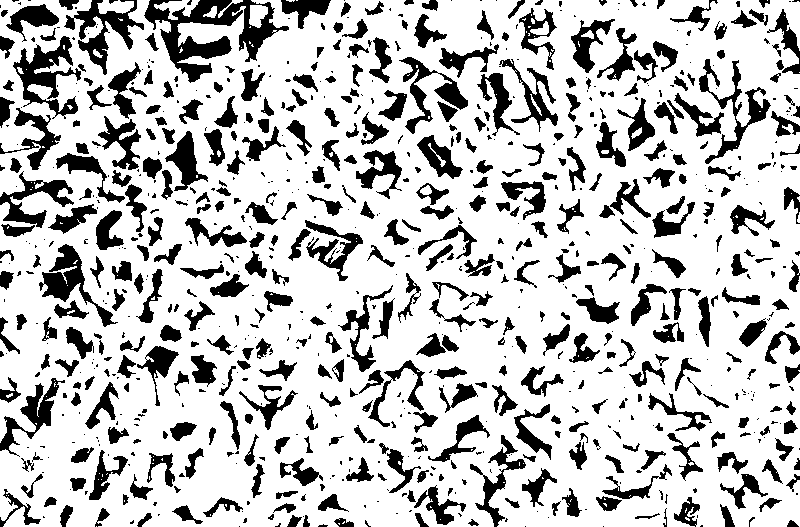
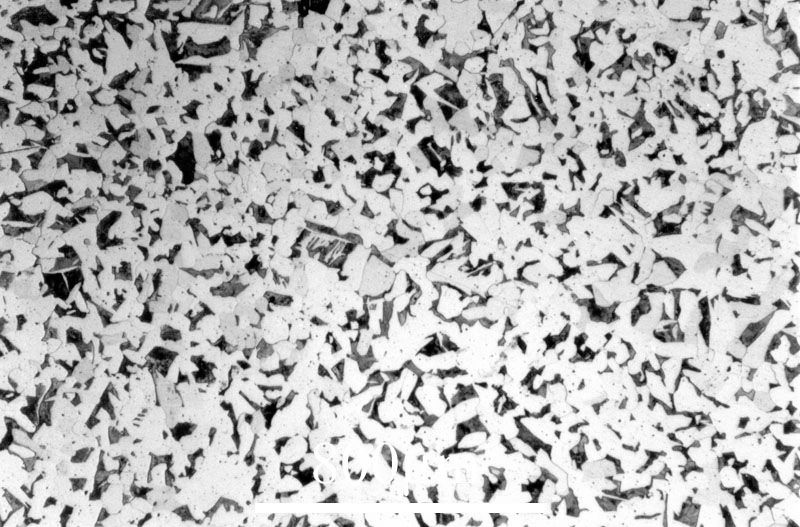
"brief_description": "Normalised low carbon manganese steel, taken transverse to directionality",
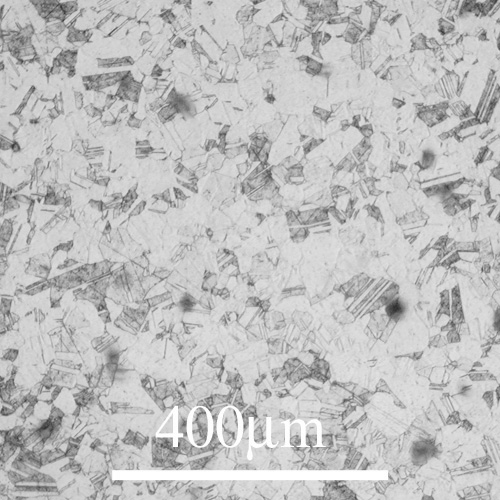
"long_description": "Low carbon steel with a microstructure consisting mostly of ferrite. Manganese is added to steel to remove oxygen and sulphur. It causes a reduction in the resulting grain size and hence the steel is tougher and stronger. This sample has been normalised, recrystallising the ferrite. This micrograph has been taken transverse to the directionality and hence the directionality present in the pearlite is not apparent ",
"contributor": "Dr R F Cochrane",
"organisation": "Department of Materials, University of Leeds",
"last_updated": "2025-09-24T11:03:20.377023Z",
"link_doitpoms": "https://www.doitpoms.ac.uk/miclib/full_record.php?id=205",
"data_3D": "https://microstructure-library.s3.eu-west-2.amazonaws.com/microstructure205/microstructure205.tif",
"data_2D": "https://microstructure-library.s3.eu-west-2.amazonaws.com/microstructure205/microstructure205_inpainted.png",
"data_2D_original": "https://microstructure-library.s3.eu-west-2.amazonaws.com/microstructure205/microstructure205_original.png",
"preview": "https://microstructure-library.s3.eu-west-2.amazonaws.com/microstructure205/microstructure205.mp4",
"inpaint_movie": "https://microstructure-library.s3.eu-west-2.amazonaws.com/microstructure205/microstructure205_inpaint.mp4",
"long_movie": "https://microstructure-library.s3.eu-west-2.amazonaws.com/microstructure205/microstructure205_long.mp4",
"generator": "https://microstructure-library.s3.eu-west-2.amazonaws.com/microstructure205/microstructure205_Gen.pt",
"params": "https://microstructure-library.s3.eu-west-2.amazonaws.com/microstructure205/microstructure205_params.data",
"vox_size": 1.3840830449826989,
"rating": 9,
"barbox": [
[
236,
442
],
[
546,
521
]
],
"barcol": [
255,
90
],
"phases": [
169,
194
],
"downloads": 18
},
{
"id": 3,
"name": "Microstructure 006",
"short_name": "microstructure006",
"data_type": 1,
"technique": 1,
"keyword": [
1,
6,
7,
8,
9,
10
],
"category": [
1
],
"element": [
3,
4
],
"brief_description": "Bi 60, Cd 40 (wt%), eutectic alloy",
"long_description": "This sample has the eutectic composition so all the liquid solidifies at the eutectic temperature to form a lamellar eutectic structure. The two phases grow co-operatively from the melt.",
"contributor": "Prof T W Clyne",
"organisation": "Department of Materials Science and Metallurgy, University of Cambridge",
"last_updated": "2025-09-24T11:03:25.103926Z",
"link_doitpoms": "https://www.doitpoms.ac.uk/miclib/full_record.php?id=6",
"data_3D": "https://microstructure-library.s3.eu-west-2.amazonaws.com/microstructure006/microstructure006.tif",
"data_2D": "https://microstructure-library.s3.eu-west-2.amazonaws.com/microstructure006/microstructure006_inpainted.png",
"data_2D_original": "https://microstructure-library.s3.eu-west-2.amazonaws.com/microstructure006/microstructure006_original.png",
"preview": "https://microstructure-library.s3.eu-west-2.amazonaws.com/microstructure006/microstructure006.mp4",
"inpaint_movie": "https://microstructure-library.s3.eu-west-2.amazonaws.com/microstructure006/microstructure006_inpaint.mp4",
"long_movie": "https://microstructure-library.s3.eu-west-2.amazonaws.com/microstructure006/microstructure006_long.mp4",
"generator": "https://microstructure-library.s3.eu-west-2.amazonaws.com/microstructure006/microstructure006_Gen.pt",
"params": "https://microstructure-library.s3.eu-west-2.amazonaws.com/microstructure006/microstructure006_params.data",
"vox_size": 0.7220216606498195,
"rating": 9,
"barbox": [
[
102,
393
],
[
392,
481
]
],
"barcol": [
255,
230
],
"phases": [
98,
178
],
"downloads": 9
},
{
"id": 45,
"name": "Microstructure 286",
"short_name": "microstructure286",
"data_type": 1,
"technique": 1,
"keyword": [
1,
7,
15,
19,
21,
66
],
"category": [
1
],
"element": [
6,
7
],
"brief_description": "Fe, C 0.15 (wt%) steel, carburised",
"long_description": "After initial casting of this steel it was subject to a process known as carburisation. The metal is heated to above the ferrite-austenite transition in a carbon atmosphere. This establishes a concentration gradient and hence carbon diffuses into the steel. Usually the steel is then hardened by quenching. This produces what is known as a case hardened steel - with a hard surface (case) surrounding a tough core. This micrograph has been taken from the bulk of the sample, showing that carbon does not diffuse significantly into the interior of a case hardened steel.",
"contributor": "Dr R F Cochrane",
"organisation": "Department of Materials, University of Leeds",
"last_updated": "2025-09-24T11:04:12.531351Z",
"link_doitpoms": "https://www.doitpoms.ac.uk/miclib/full_record.php?id=286",
"data_3D": "https://microstructure-library.s3.eu-west-2.amazonaws.com/microstructure286/microstructure286.tif",
"data_2D": "https://microstructure-library.s3.eu-west-2.amazonaws.com/microstructure286/microstructure286_inpainted.png",
"data_2D_original": "https://microstructure-library.s3.eu-west-2.amazonaws.com/microstructure286/microstructure286_original.png",
"preview": "https://microstructure-library.s3.eu-west-2.amazonaws.com/microstructure286/microstructure286.mp4",
"inpaint_movie": "https://microstructure-library.s3.eu-west-2.amazonaws.com/microstructure286/microstructure286_inpaint.mp4",
"long_movie": "https://microstructure-library.s3.eu-west-2.amazonaws.com/microstructure286/microstructure286_long.mp4",
"generator": "https://microstructure-library.s3.eu-west-2.amazonaws.com/microstructure286/microstructure286_Gen.pt",
"params": "https://microstructure-library.s3.eu-west-2.amazonaws.com/microstructure286/microstructure286_params.data",
"vox_size": 2.711864406779661,
"rating": 9,
"barbox": [
[
243,
441
],
[
552,
512
]
],
"barcol": [
255,
30
],
"phases": [
26,
248
],
"downloads": 2
}
]
}